
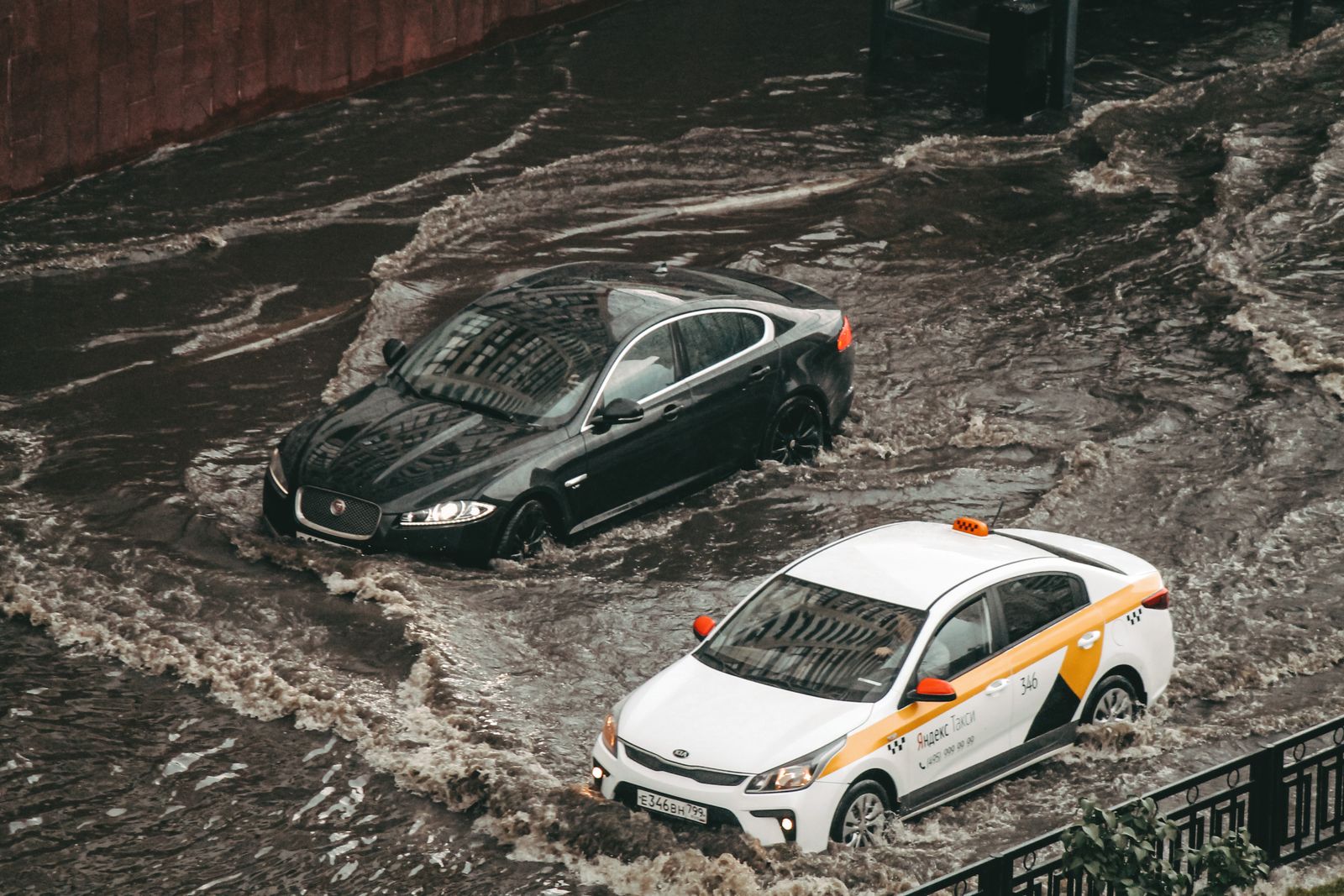
Florida does not treat a flood car as a weather anecdote. Under Chapter 319, a flood vehicle is a total-loss car damaged by water — and once that brand lands, it is supposed to follow the VIN on later titles and registrations.
Late September 2026, we still see peninsula inventory with shampooed carpets, citrus air fresheners, and captions that never mention water. We’ve pulled official reports where the flood brand was obvious while the listing photos looked bone-dry under LED lights. The statute cares about the total-loss water event. The ad often does not.
Official CARFAX and AutoCheck retail singles still get quoted around $39.99–$44.99 depending on the cart (confirm at checkout). Through our licensed reseller checkout, guest reports are about $5.50, member about $4.50, and the CARFAX+AutoCheck bundle about $6.75; credit packs often start near $3. Confirm what your cart shows before you pay. We resell official reports and are not affiliated with CARFAX, AutoCheck, or Experian.
What Fla. Stat. 319 is actually branding
Look: Florida’s definition of a “flood vehicle” ties to a total loss from water damage under the title chapter, not to “the floor mats got wet once.” FLHSMV consumer materials warn buyers that flood damage can hide in wiring, modules, and corrosion long after the car smells clean. Brands that appear on a Florida title are supposed to carry forward; that is the consumer protection theory. Practice still requires you to verify the VIN across state lines, because title washing remains a real move after storms.
If you want the inventory-risk angle rather than the statute angle, start with our companion on Florida used-car flood title risks. For plain-English brand meaning, keep what a flood title means open while you read the PDF.
- Confirm flood / water-damage language on the title brand and on the history report.
- Check for salvage or rebuilt paths that started as flood totals.
- Look for out-of-state hops after hurricane seasons — a classic wash pattern.
- Match the 17-character VIN on the dash, door sticker, and report header before you negotiate.
How to check a Florida VIN before money moves
So pull your own official CARFAX or AutoCheck on the metal VIN, not a seller JPEG from last spring. Cross-check Florida’s free Motor Vehicle Information tools when the car claims a Florida title, then still run the full history for out-of-state rows the state screen will not summarize for you. NHTSA’s flood-damaged vehicle guidance is blunt about electrical and safety-system risk after immersion — treat that as the inspection brief, not as optional trivia.
Here’s the catch. A dry test drive proves almost nothing about soaked connectors. Budget a pre-purchase inspection with someone willing to pull carpets and look for silt lines, rust in odd places, and moisture in lamp housings. We’ve watched buyers skip the PPI because the price was “already discounted for a flood brand,” then eat module failures six months later. Discount math only works if you price the repairs you have not found yet.
Common traps on Florida flood inventory
Blunt risk: accepting a cropped seller PDF that stops before the brand row, or a “clean Florida title” story that ignores an earlier out-of-state flood brand. Read every title jurisdiction on the report. If the seller blocks a fresh pull timed to the showing, walk. Fake and stale files still circulate in private-sale chats after every storm cycle.
Honestly, pressure phrases like “another buyer is coming at five” pair badly with missing brand disclosure. Slow is a feature when water history is on the table. Pair the paperwork with how to spot title washing so state-to-state hops do not read as normal relocation theater.
We’ve also seen “just a little water in the carpet after Ian” used as a softener when the insurer already treated the car as a water total. Your job is not to argue about carpet. Your job is to read the brand, the auction DNA if any, and the inspection findings — then decide whether the discount covers residual electrical risk for the years you will own the car.
Related reading and a sane buying order
Run history first, inspect second, negotiate third. If the car is still circulating years after a named storm, treat delayed reporting and interstate moves as expected noise. For named-storm inventory still on the market, see Hurricane Ian flood cars in 2026. If you are deciding whether any flood-branded car belongs in your driveway at all, read should you buy a flood title car before you fall in love with the price.
Save the PDF with the pull date in the filename. Lenders and insurers sometimes ask for a current file; a chat screenshot rarely satisfies them. If financing is involved, send the report before you sign — branded flood cars change loan and insurance options fast.
Comments (0)
No comments yet. Be the first to share your thoughts!
Log in to leave a comment.