
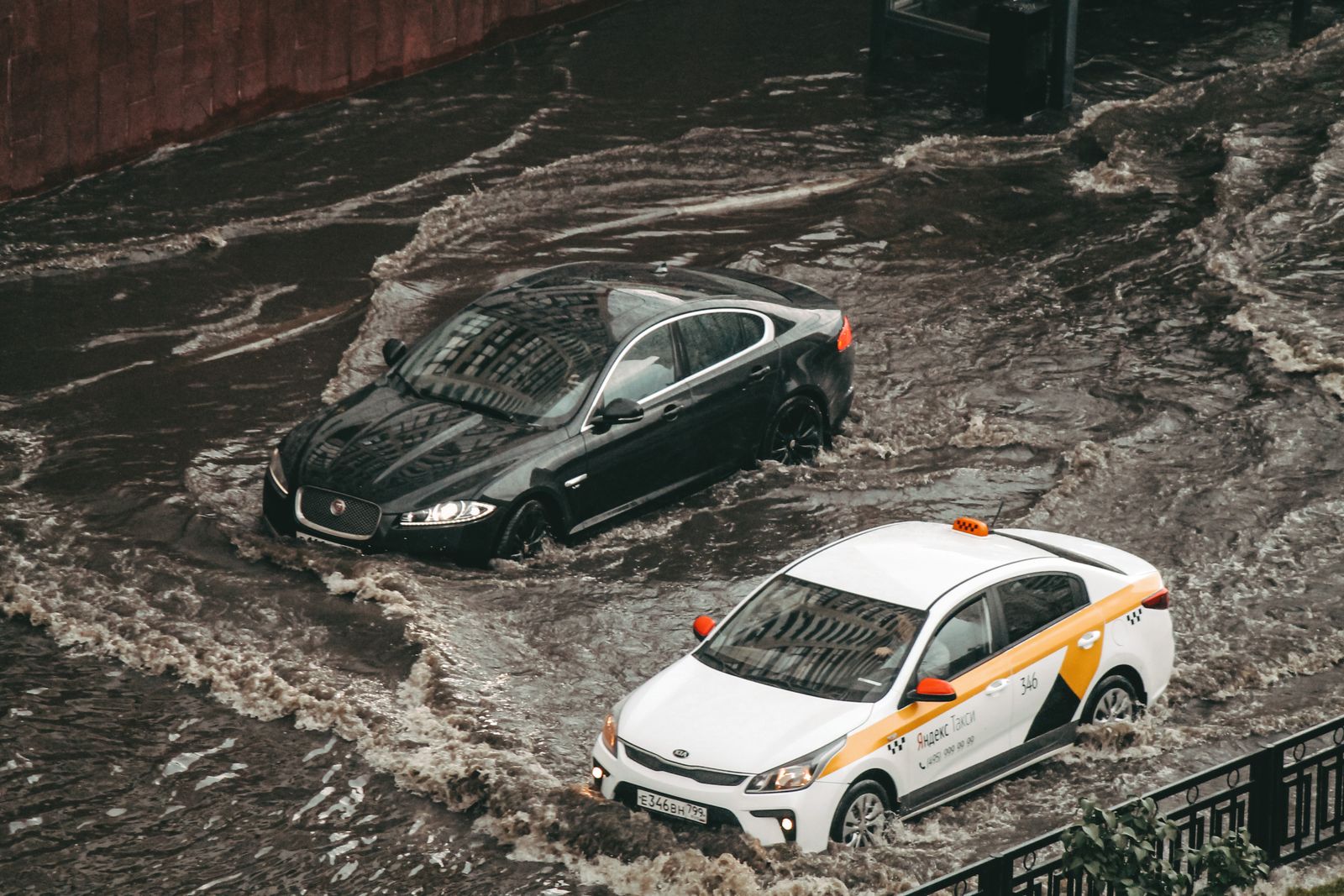
Hurricane Ian flooded cars are still circulating in 2026 — not as front-page news, but as quiet VINs with Florida chapters, auction DNA, and shampooed interiors two states away.
Late September 2026, we still pull reports where Ian-era total-loss or flood rows sit under newer out-of-state titles. We’ve walked buyers through listings that never mentioned 2022 while the PDF did. Storm years outlive news cycles.
Late September 2026 official CARFAX/AutoCheck retail singles still wobbles in public: commonly quoted around $39.99–$44.99 depending on the cart (confirm at checkout). Through our licensed reseller checkout, guest reports are about $5.50, member about $4.50, and the CARFAX+AutoCheck bundle about $6.75; credit packs often start near $3. Confirm what your cart shows before you pay. We resell official reports and are not affiliated with CARFAX, AutoCheck, or Experian.
Why named-storm cars linger
Look: salvage lanes, rebuilders, and wholesalers move inventory for years. Consumer Reports and USA Today have both warned that flood cars migrate after major storms. NHTSA keeps flood-safety guidance posted because electrical risk does not expire with the anniversary. Read Florida flood brand rules and Florida flood inventory risk.
Ian is one chapter among others — Idalia and later storms added more inventory. Search the whole water timeline, not one name.
- Scroll every title jurisdiction and auction sale on the PDF.
- Inspect for silt, odor, and moisture even on “clean” new-state titles.
- Refuse seller PDFs that stop before 2022–2023 rows.
How to check a suspect VIN in 2026
Here’s the catch. Title washing and late reporting still hide stories. Use title-washing tells when you see rapid hops after 2022. Blunt risk: trusting a Florida “rebuilt clean” caption without your own official pull.
So buy a fresh report timed to the showing. Bundle CARFAX+AutoCheck on expensive suspects. Keep flood-title buy decisions open before emotions win.
Inspection reality years later
Honestly, corrosion and module failures can appear long after carpets smell fine. We’ve seen Ian-linked cars fail intermittently years later. Budget a water-aware PPI. If the discount does not fund uncertainty, it is not a discount.
Save dated PDFs. Lenders and insurers may ask questions when Florida storm-era brands appear. Answer with documents, not vibes about “how long ago it was.”
Ian-era flood cars still move in 2026. Read the full timeline, inspect for water, and do not let “years ago” erase electrical risk.
Where Ian cars show up now
Expect them on national auction leftovers, small dealer lots far from Florida, and private ads that emphasize “new tires, new carpets.” Distance is part of the laundering aesthetic. Search the VIN through history tools before you schedule a long drive. We’ve killed more Ian-linked deals at the kitchen table than at the curb.
Compare 2022–2023 ownership gaps against storm timelines. Rapid title hops through lightly branded states deserve extra reading — use title-wash literacy. If AutoCheck shows auction announcements with water vocabulary, believe the announcement even when the retail caption is poetry.
For Gulf seasonal patterns beyond Ian, keep Gulf Coast flood-season cars and Louisiana flood salvage checks in your reading list. Named storms differ; electrical risk after immersion does not. Budget the PPI with carpets pulled, not a two-minute start-up in a rainy lot.
We’ve learned to treat seller timelines as marketing and database timelines as the starting map. Your inspection still has to confirm physics. Keep deposits small until the PDF, the brand story, and the mechanic’s notes agree. Confirm report checkout prices each time — public retail quotes around $39.99–$44.99 still disagree with reseller carts, and screenshots go stale.
Electrical gremlins years after the storm
Owners report random module failures, camera faults, and corrosion in connectors long after carpets smell clean. That pattern matches what NHTSA warns about with flood-damaged vehicles generally. Do not let “Ian was years ago” become your risk model. Price uncertainty. If the seller offers a short warranty, read exclusions for electrical — those clauses exist because water cars keep failing in expensive ways.
Document your own inspection with photos under carpets and in spare wells. If you walk, you still learned something for the next VIN. If you buy, you have a baseline when problems appear six months later.
Comments (0)
No comments yet. Be the first to share your thoughts!
Log in to leave a comment.