
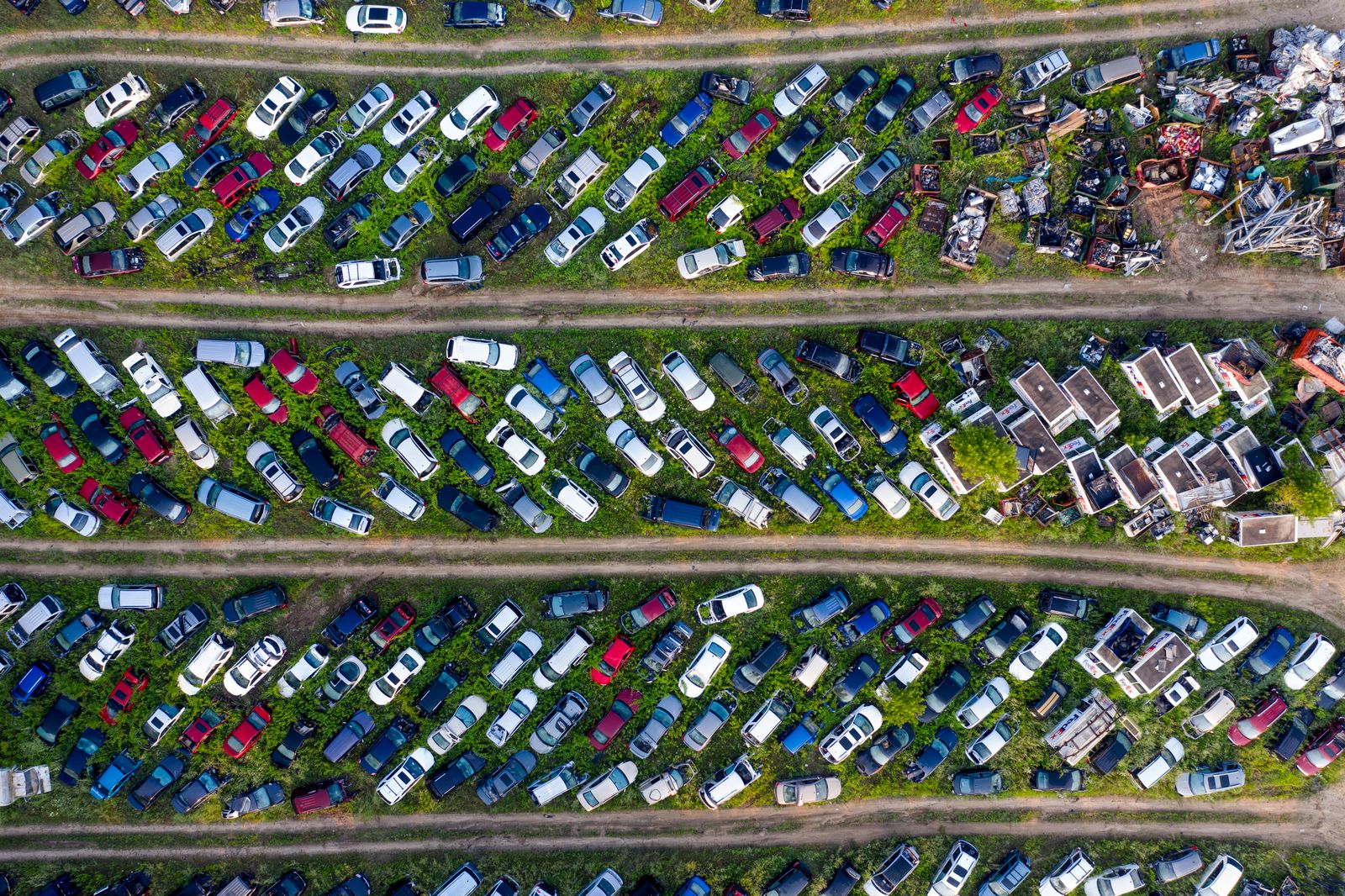
North Carolina publishes a number, and it is 75 percent. NCDMV’s special-cases page says a salvaged vehicle is one damaged so that repairs, including parts and labor, to make it safe for public roads would exceed 75 percent of fair market value. That is the threshold shoppers should be able to say out loud before they argue with an ad.
Late September 2026, we still see Carolina listings that call a rebuilt car “basically clean” because it passed an inspection on the way back to the road. We’ve read the same state’s instructions. The inspection is an anti-theft and safety step for newer salvage vehicles. It is not a machine that deletes the past.
By late September 2026, expect the official single-report checkout to land somewhere in the $39.99–$44.99 span and to change without a press release. Our licensed prices are the ones we can stand behind today: roughly $5.50 guest, $4.50 member, $6.75 bundle, credits often from about $3. Re-read the cart if a forum post quotes something cuter. Not affiliated with CARFAX, AutoCheck, or Experian — reseller, full stop.
The 75 percent line and the notice clock
Look: the DMV page says that when an insurer or authorized agent has paid a claim on a salvaged vehicle, NCDMV must be notified within 10 days if the damage happened in North Carolina and the title transfer happened there. Fair market value, on the damage-disclosure materials DMV publishes, is tied to a recognized price guide. The threshold is about repair cost versus value. It is not a vibe check at the curb, and it is not optional because the car still starts.
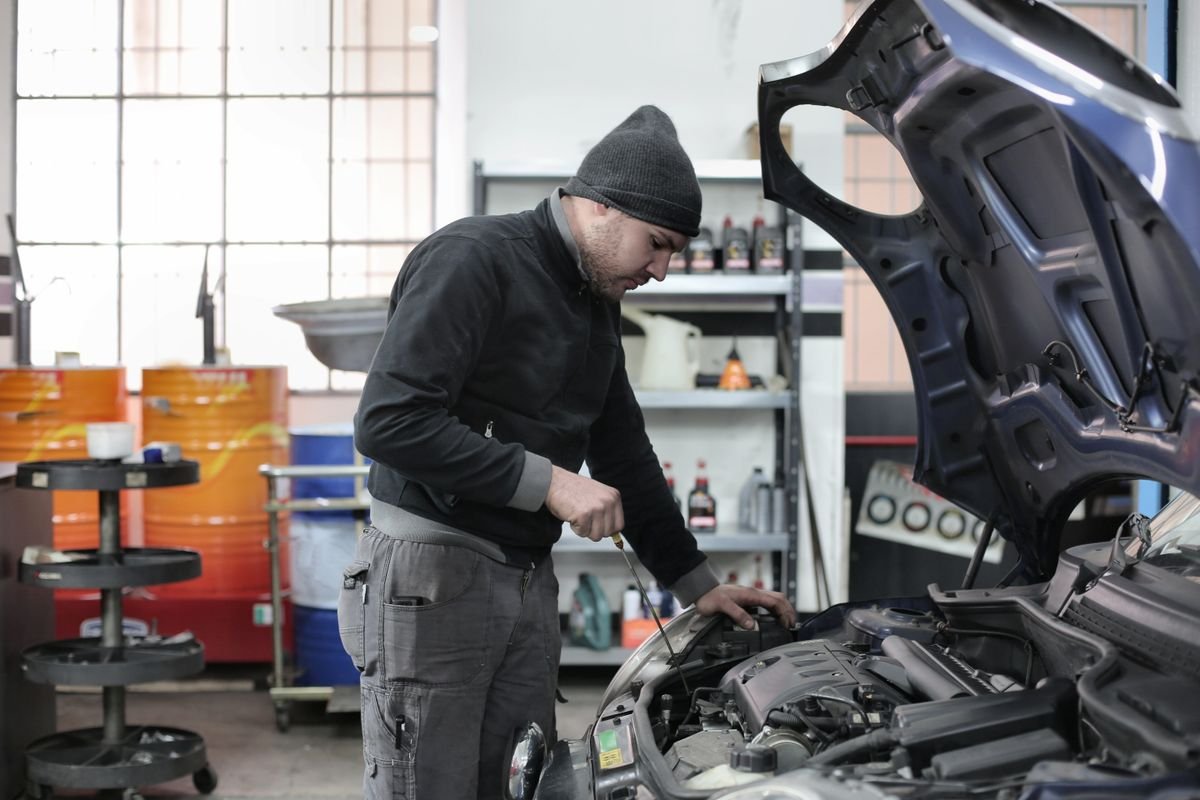
If the salvaged or damaged vehicle is six model years old or newer, the page says the title applicant must get an anti-theft inspection by the State Highway Patrol before the process moves on. NCDMV also tells consumers to be careful and to have a salvaged vehicle thoroughly inspected before buying. That is the state telling you not to rely on a seller’s summary. Pair it with salvage-title basics and how rebuilt differs from salvage.
- Ask whether repair cost crossed 75 percent of value, not whether the car “looks totaled.”
- If the vehicle is six model years old or newer, ask about the Highway Patrol anti-theft inspection.
- Read flood as its own question. North Carolina’s damage disclosure asks it separately from salvage.
- Do not confuse a passed inspection with a deleted brand.
Flood and carry-forward
Here’s the catch. A salvage threshold and a flood disclosure are related and not identical. A car can be a flood vehicle in the disclosure questions even when you are also talking about salvage math, and a car can move in from another state with a brand North Carolina did not create. NMVTIS exists so those brands are not supposed to vanish at the state line. Your CARFAX or AutoCheck is the narrative layer the state form will not write for you.
So pull both the state story and a full report. If the title chain includes a coastal hop after a storm season, read title-washing patterns and flood titles. NHTSA’s flood page is the mechanical warning. South Carolina’s 75 percent rule is similar math with different brand words, which is why you read the state that will actually title the car.
Where the threshold gets talked away
Blunt risk: a seller who says the insurer “almost” totaled it, so there is no brand, while refusing a fresh report. Almost is not a document. Fake PDFs flourish in that gap. If you are the buyer, you can pull the file yourself as long as you have the VIN off the car. If you cannot have the VIN, you cannot have the car.
Honestly, we’ve seen people add the purchase price and forget that a newer salvage car’s Highway Patrol step is a scheduling problem, not a rubber stamp in the parking lot. Call the process real before you wire a transport company. If you finance, send the brand language to the lender first. {L('financing-rebuilt-salvage-title-car','Rebuilt and salvage financing')} fails late when the brand was a surprise.
What to keep in the folder
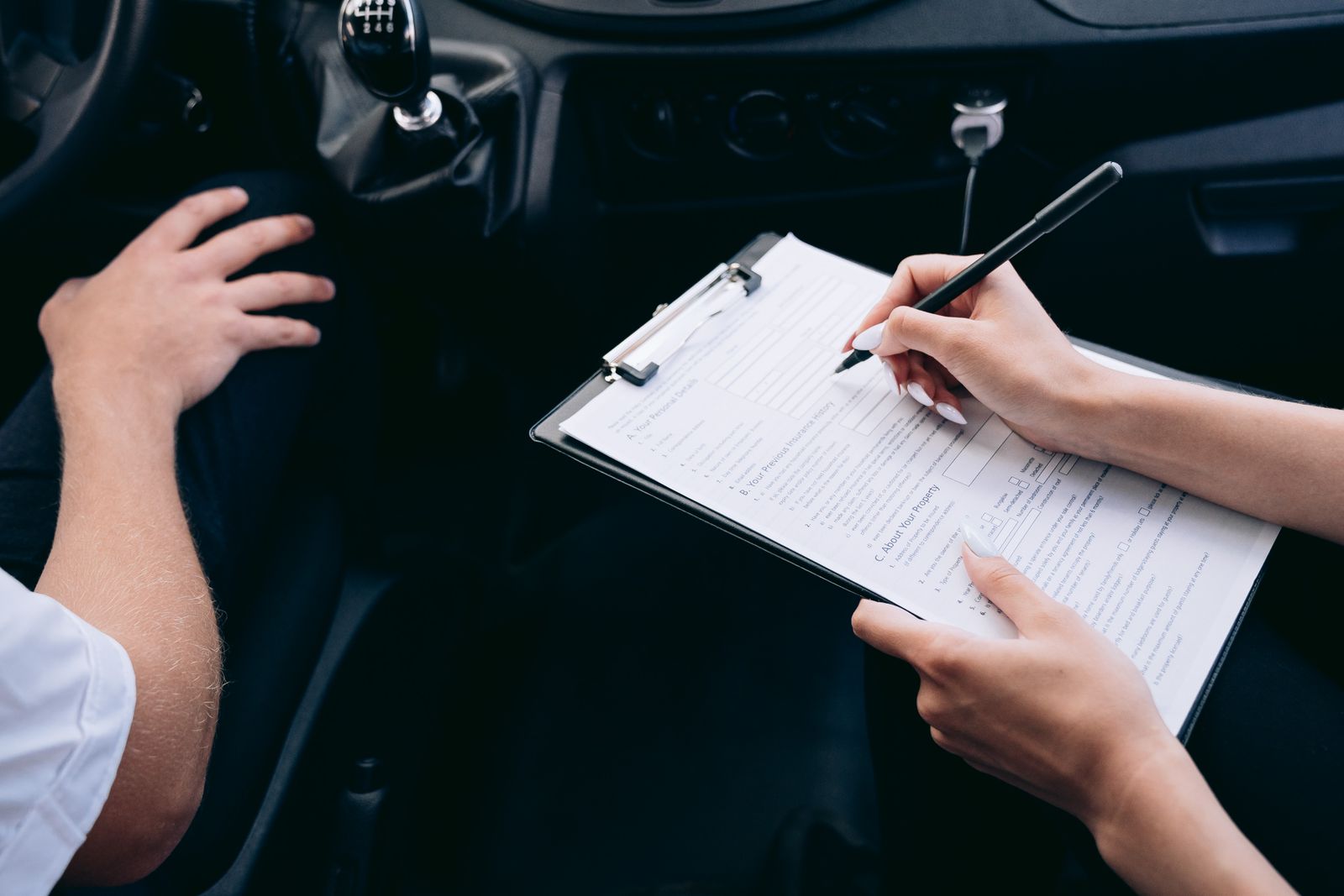
The NCDMV special-cases page, your dated history report, photos of the title brand, and any inspection paperwork. If you are signing a damage disclosure as a seller later, answer the flood and salvage questions from those documents, not from memory. Memory is how brands get “forgotten.”
Seventy-five percent is the state’s line. Your inspection and your own report are how you find out whether this VIN already crossed it.
Comments (0)
No comments yet. Be the first to share your thoughts!
Log in to leave a comment.