
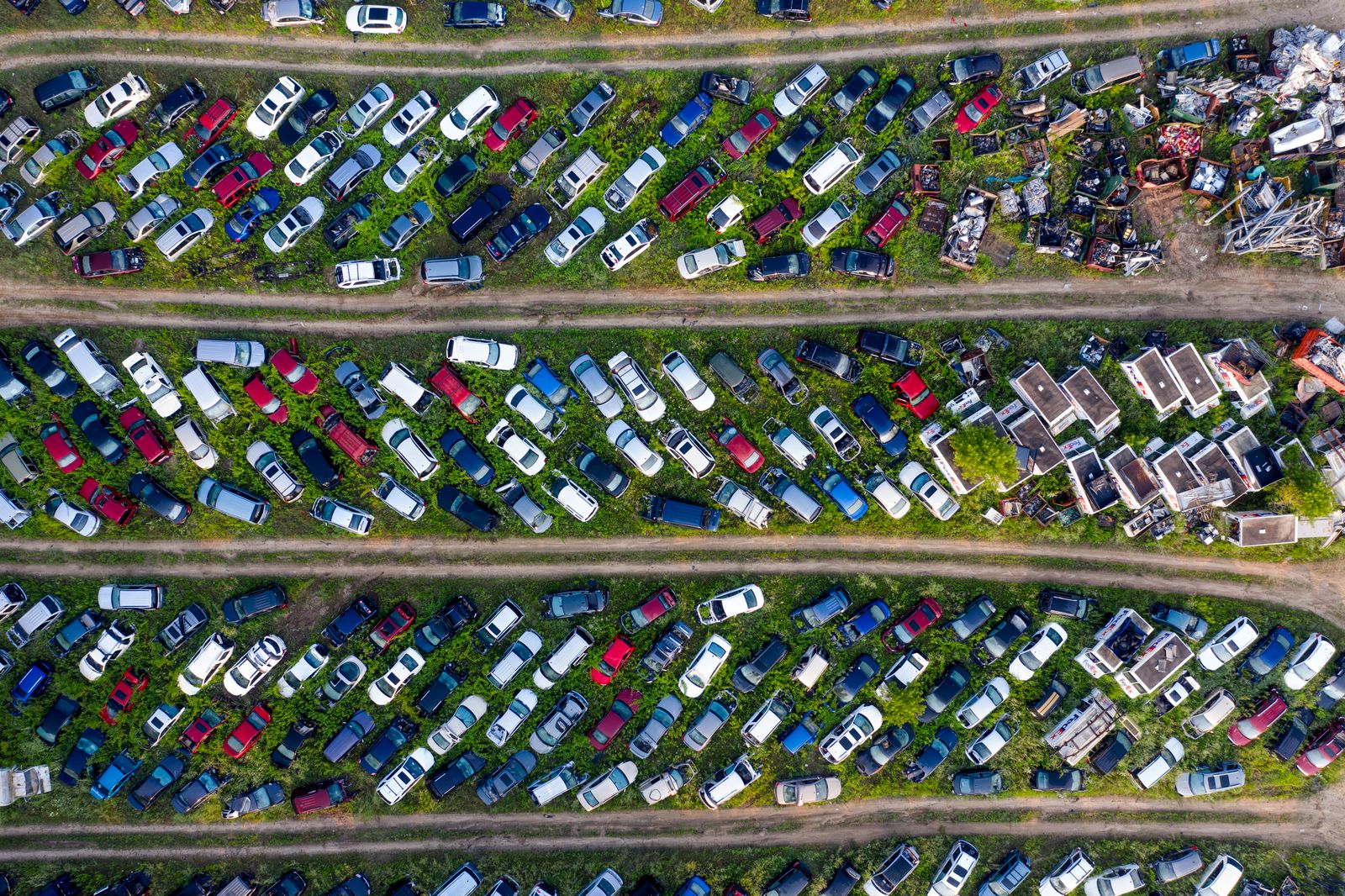
South Carolina’s DMV says a vehicle with a loss of 75 percent or more of fair market value must be declared a total loss, and a total loss is marked salvage unless a short list of exceptions applies. The rebuilt title you get later is not allowed to forget why it was salvage. Flood and fire stay visible in the brand itself.
Late September 2026, we still see Carolina ads that say “salvage rebuilt, no issues” on cars whose title brand is salvage flood rebuilt. We’ve read SCDMV’s total-loss page. The flood word is not an issue the seller gets to drop because the car was inspected back onto the road. It is part of the brand string.
Shoppers still meet a $39.99 to $44.99 single-report quote on the brand sites in late September 2026. Treat that band as a range with a caveat, not a coupon. Our checkout for the same official products sits near $5.50 guest, $4.50 member, and $6.75 for both reports together, and multi-packs often start around $3 a pull if you actually use them. Look at the total before you pay. We are not affiliated with the bureaus; we are a licensed reseller of their reports.
The 75 percent rule and the exceptions
Look: SCDMV says insurers can also declare a total loss below 75 percent, or when fair market value was under $2,000, by filing their total-loss request. Vehicles declared a total loss are marked salvage unless one of the exceptions applies: the vehicle is junk, the damage was under 75 percent and there was no water or fire damage, the value is under $2,000, or the vehicle is an antique. Those exceptions are why a cheap beater and a flooded late-model car are not in the same sentence, and why you should not invent an exception the page did not list.
If the vehicle can be rebuilt, SCDMV says the title issued can read salvage, salvage rebuilt, salvage fire, salvage fire rebuilt, salvage flood, or salvage flood rebuilt. State law then says a regular title is not issued again for a rebuilt salvage vehicle. The new title has to show that it was salvaged-rebuilt and the reason, including flood or fire when that was the reason. Salvage basics and salvage versus rebuilt are the glossary. North Carolina’s 75 percent threshold is the similar number with a different inspection culture.
- Read the full brand: salvage flood rebuilt is not the same as salvage rebuilt.
- Do not assume a car under $2,000 of value skipped branding without reading the exception.
- Ask whether water or fire was involved. Those change the exception and the brand.
- Plan on the brand surviving. A later “regular” title is not the statutory outcome.
What buyers should verify
Here’s the catch. A rebuilt brand means the state accepted a rebuilt application. It does not mean every insurer will write physical-damage coverage, and it does not mean a bank will ignore the word flood. Get those quotes on the VIN before you travel. Your history report should show the same brand string the title shows. If the report is blank and the title is loud, believe the title and still find out why the report is thin.
So use NMVTIS-backed records plus CARFAX or AutoCheck, then a lift. Flood brands get NHTSA’s flood guidance and a flood-title explanation. Fire brands deserve the same skepticism about hidden structure. insuring a rebuilt-title car is the insurance conversation, and title washing is what you check if a South Carolina flood brand seems to vanish in the next state.
Stories that contradict the page
Blunt risk: “SC doesn’t brand flood if it was rebuilt.” The DMV’s own list includes salvage flood rebuilt. That sentence in an ad is either ignorance or a pitch. Fake reports that omit the flood token are the usual companion. Pull your own file. Photograph the title. If the seller will not show the title, you are done.
Honestly, we’ve seen buyers rely on a rebuilder’s affidavit copy with no title photo, then discover the brand at the tax office. The affidavit is part of a process. The title is the result. Read the result. If you are financing, {L('loan-on-rebuilt-title-car','loans on rebuilt-title cars')} explains why the brand string changes the lender list before you argue about the interest rate.
Keep the distinction in writing
Write the exact brand from the title into your notes, including flood or fire if it is there. Save the SCDMV total-loss page and the dated report. Confirm any rebuilt-application fee on the current form, not from a comment thread. Processes get edited. The 75 percent line and the visible flood brand are the parts you should not let an ad edit for you.
South Carolina already prints the reason on the rebuilt title. Read the reason. Then decide if the discount is large enough for the reason you just read.

Comments (0)
No comments yet. Be the first to share your thoughts!
Log in to leave a comment.