
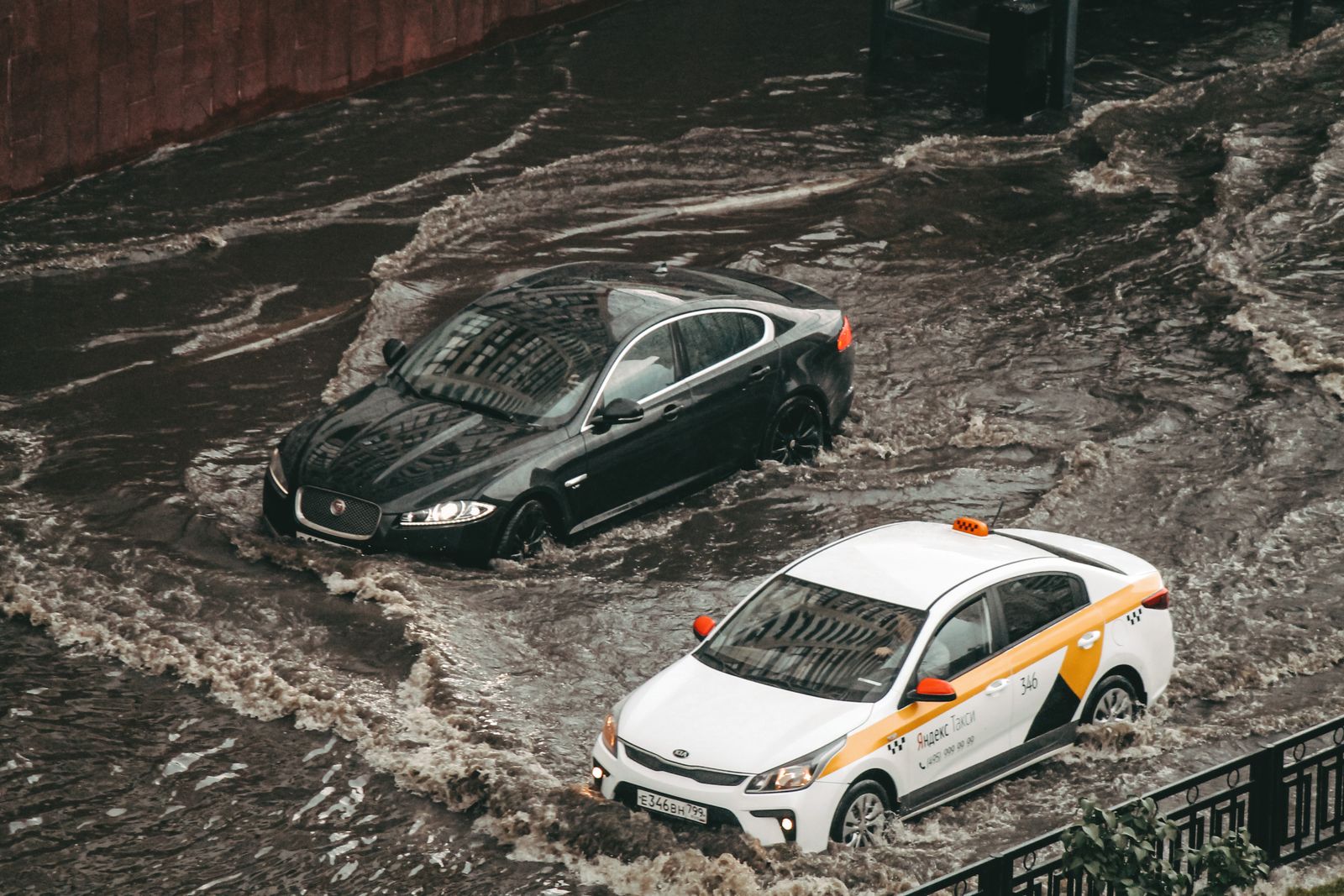
Parking-sensor corrosion is the flood leftover shoppers miss when they only reverse once on the lot and hear a beep. Late October 2026, we still watch people praise a working park-assist chirp and skip shining a light at the bumper sensor faces, connector boots, and harness plugs for green scale, chalky mineral rings, or packed silt. Water that sat around those bumper cavities often outlasts a detail bay wipe — and it pairs with our rear view camera corrosion flood and fog light housing corrosion flood checks when bumper electrics tell the same story.
Late October 2026, retail singles still get quoted around $39.99–$44.99 depending on the brand cart — confirm at checkout because the number moves. Through our licensed reseller checkout, guest reports land about $5.50, member about $4.50, and the CARFAX+AutoCheck bundle about $6.75; credit packs often start near $3. We resell official reports and are not affiliated with CARFAX, AutoCheck, or Experian.
We’ve pulled reseller reports for buyers who almost wired deposits on storm-path crossovers with shiny bumper covers, then found flood or water-damage language while the parking-sensor plugs still held orange scale at the connector boot. Look: NHTSA flood-vehicle guidance exists because body-mounted sensors leave evidence long after the paint looks detailed. Honestly, if park-assist fails in rain and the VIN’s last registration sat in a flooded county, you are not looking at one sticky sensor wipe alone.
Sensor corrosion vs ordinary wear
Age-related parking sensors usually fail with one dead zone or a cracked bumper without matching silt elsewhere. Flood corrosion can sit more level where water pressed into the sensor and harness plug as the bumper filled, and it often pairs with grit in other closed spaces. Related: flood car electrical failure signs, ABS module corrosion flood, and fuse box corrosion flood.
Here’s the catch. A single dead parking sensor is a yellow flag, not a courtroom verdict — curb hits and aftermarket bumpers fail without floods too. So, map several spots: sensor faces, connector boots, bumper foam, spare well. Use water damage brand vs flood brand and saltwater flood vs freshwater when grit and the seller’s story disagree.
We’ve seen deals where the seller had replaced two sensor faces and left chalky mineral rings inside the harness plugs that matched spare-well mud height. Cycle park-assist in daylight, photograph sensor boots and bumper cavities from underneath, and shoot the VIN plate the same day. Compare door jamb water line flood, under-dash wiring corrosion flood, and horn pad corrosion flood when cabin and bumper evidence stack.
Paperwork still wins arguments. NMVTIS and commercial files can show flood brands a grease wipe never invents. Related: NMVTIS brand codes explained, flood title vs salvage title, and seller-provided CARFAX red flags.
Buyer sequence before you deposit
- Pull AutoCheck and CARFAX the day you negotiate — guest ~$5.50 / member ~$4.50 / bundle ~$6.75; confirm at checkout; retail often $39.99–$44.99 on the VIN you typed yourself.
- Match NMVTIS for flood/water/salvage/junk brands; stop if you need a normal daily.
- Cycle park-assist; photograph sensor faces and connector boots for scale.
- Cross-check spare well, fog-light housings, and rear camera for matching grit.
- Walk if the seller blocks a bumper peek or a live history pull.
Blunt risk: paying near-clean money for a “fresh bumper sensors” SUV, then learning flood branding sits on NMVTIS and intermittent park-assist failures return after humidity because the bumper harness never fully dried. Related: ozone-treated flood car smell, fresh carpet smell flood coverup, and title washing across state lines.
Late October 2026 “we just replaced the parking sensors last weekend” captions still deserve a pause after storm seasons. We’re a licensed reseller — not affiliated with CARFAX, AutoCheck, Experian, or NHTSA. If the seller only offers a cropped PDF or refuses a live pull, believe the refusal. Confirm checkout prices, keep both history PDFs with sensor photos, and walk when dry claims replace measured scale in the bumper harness.
Also compare private-party salvage title red flags when the paperwork looks too tidy for a storm-county VIN. Sleep on any same-day wire rush overnight. Keep the folder boring — live report PDFs, NMVTIS screenshots, and a hard no on mystery “fresh sensors” bargains with rust packed behind the bumper foam.

Comments (0)
No comments yet. Be the first to share your thoughts!
Log in to leave a comment.