
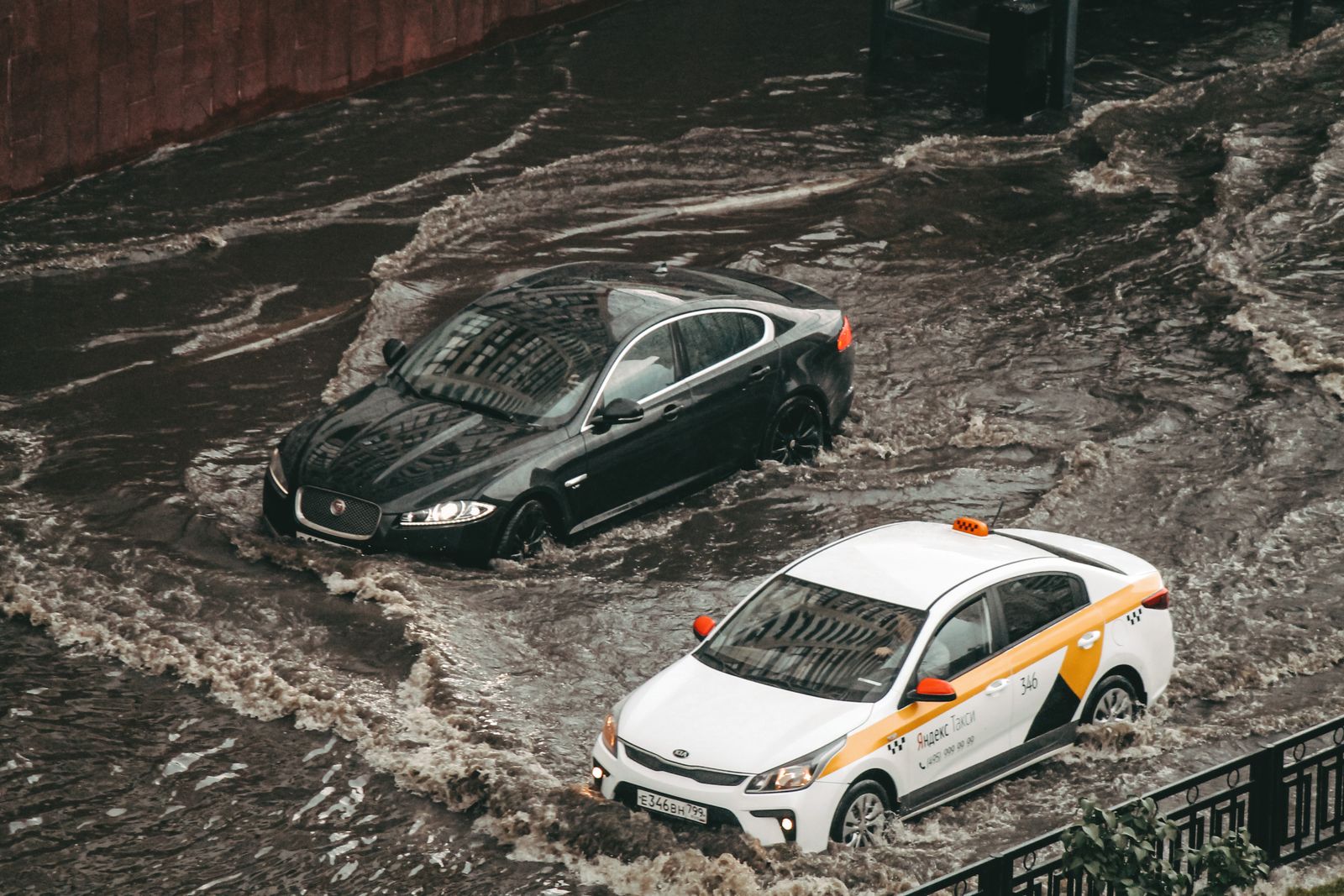
An airbag light after a flood car is not a “reset with a scanner” bargain — it often means water reached modules that decide whether belts and bags fire. Early October 2026, we still see sellers blame a “bad sensor” on storm-path VINs while under-seat connectors show green corrosion. That light can be the only honest thing left on the dash.
Early October 2026, retail singles still get quoted around $39.99–$44.99 depending on the brand cart — confirm at checkout because the number moves. Through our licensed reseller checkout, guest reports land about $5.50, member about $4.50, and the CARFAX+AutoCheck bundle about $6.75; credit packs often start near $3. We resell official reports and are not affiliated with CARFAX, AutoCheck, or Experian.
We’ve pulled reseller reports for buyers who almost ignored a steady airbag lamp because the price looked soft, then found flood or water-damage brands plus prior airbag events stacked on the same VIN. Look: NHTSA flood guidance exists because electrical and restraint systems fail unpredictably after immersion. Honestly, if the seller shrugs at the lamp and offers a “we’ll clear codes before delivery” promise, treat that as a walk signal.
Why flood water and airbag modules mix badly
Many restraint modules and connectors sit low in the cabin. Water, silt, and corrosion change resistance and can throw permanent faults — or worse, intermittent ones that pass a five-minute scan. Related: flood car airbag module risks, flood car electrical failure signs, and airbag deployed on CARFAX.
Here’s the catch. A prior crash can light the same lamp without flood involvement. So, you need both physical inspection and live history — not vibes. Use water damage brand vs flood brand, flood title vs salvage title, and airbag deployed salvage title when brands and lamp history collide.
We’ve seen deals where a shop cleared codes for the showing and the lamp returned after one humid commute. Photograph under-seat connectors, module housings, and any water lines. Compare saltwater flood vs freshwater and flood car smell and corrosion signs when the cabin still smells sweet after a detail.
Title and report language matter next. Seller PDFs dated before the storm are not live pulls. Related: seller-provided CARFAX red flags, NMVTIS brand codes explained, and Hurricane Helene flood cars.
Buyer sequence before you negotiate
- Pull AutoCheck and CARFAX the day you negotiate — guest ~$5.50 / member ~$4.50 / bundle ~$6.75; confirm at checkout; retail often $39.99–$44.99 on the VIN you typed yourself.
- Match NMVTIS for flood/water/salvage brands and any junk/COD marks.
- Do not accept “we’ll clear the airbag light” as a repair plan.
- Inspect under-seat modules and connectors for corrosion; demand a written pre-purchase inspection.
- Walk if the lamp is on and the seller blocks live history or a real PPI.
Blunt risk: driving a discounted flood survivor with a dark airbag lamp until the day you need the bags — then learning modules were compromised and the brand was always on NMVTIS. Related: private-party salvage title red flags, title washing across state lines, and what is a branded title.
Early October 2026 “just a sensor, bags are fine” captions still deserve a hard pause. We’re a licensed reseller — not affiliated with CARFAX, AutoCheck, Experian, or NHTSA. If the seller only offers a cropped PDF or refuses a live pull, believe the refusal. Confirm checkout prices, keep both history PDFs with lamp photos, and walk when restraint warnings and flood denial share a driveway.
Also compare flood car mold health risks and Hurricane Milton flood cars when geography and cabin smell line up. Sleep on any same-day wire rush overnight. Keep the folder boring — live report PDFs, NMVTIS screenshots, and a hard no on mystery airbag lights priced like clean runners.
Comments (0)
No comments yet. Be the first to share your thoughts!
Log in to leave a comment.