
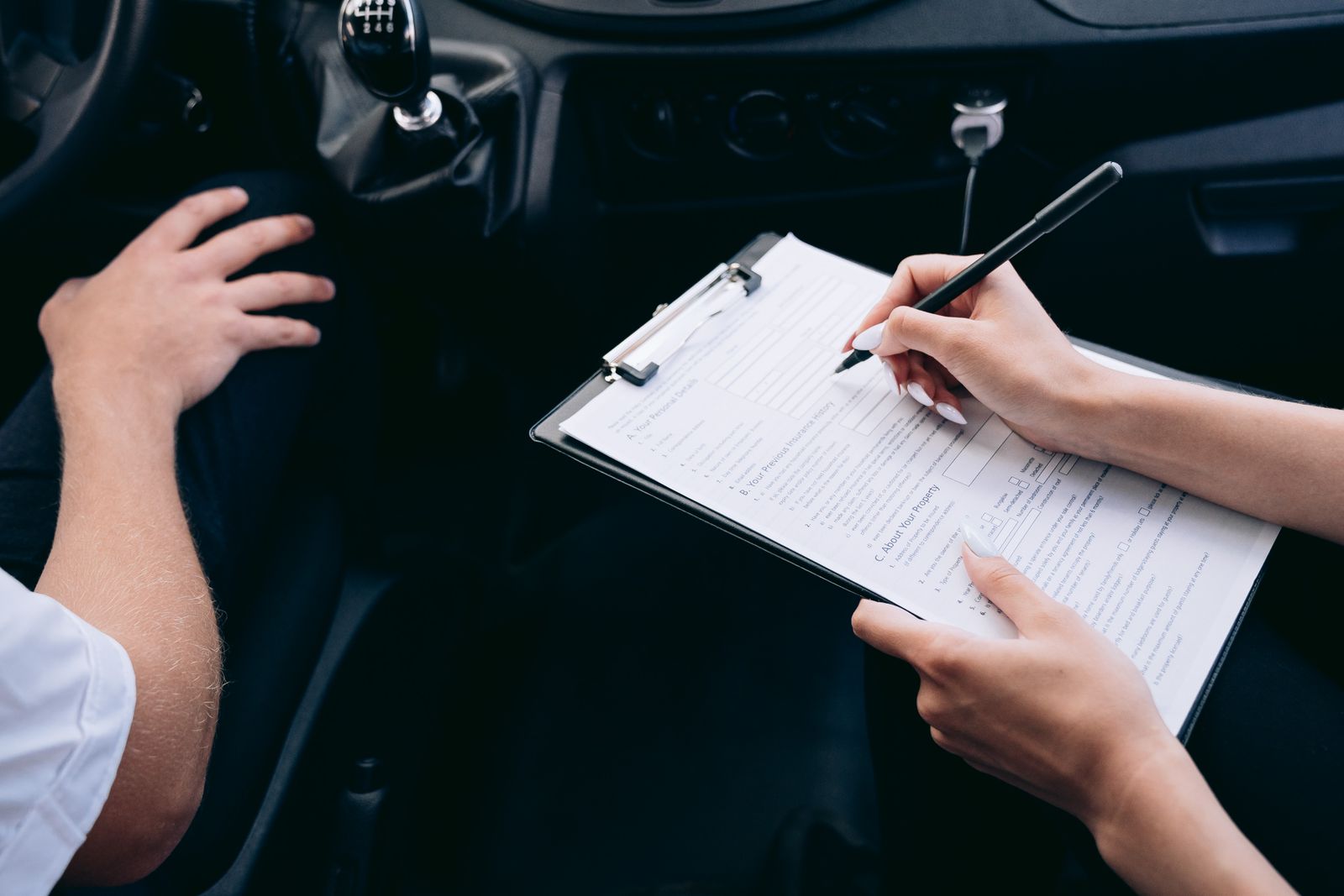
Rust on seat bolts is easy to miss when a seller keeps the doors cracked and the flashlight pointed at the dash. Early October 2026, we still catch shoppers who scrubbed carpets and left orange bloom on seat-track fasteners and floor anchors — classic water-line leftovers after a storm. Bolts do not invent a flood brand, but they often corroborate one.
Early October 2026, retail singles still get quoted around $39.99–$44.99 depending on the brand cart — confirm at checkout because the number moves. Through our licensed reseller checkout, guest reports land about $5.50, member about $4.50, and the CARFAX+AutoCheck bundle about $6.75; credit packs often start near $3. We resell official reports and are not affiliated with CARFAX, AutoCheck, or Experian.
We’ve pulled reseller reports for shoppers who almost bought “never flooded” sedans with pretty interiors, then found water-damage language next to seat rails that looked like they sat in a puddle for a week. Look: Consumer Reports and NICB keep publishing flood-car warnings because cosmetic cleans outrun paperwork. Honestly, if the seller will not let you slide the seats full travel and peek at the bolts in daylight, that is a story.
What seat-bolt rust usually means
Cabin flood water pools around seat mounts. Fasteners and stamped anchors oxidize even when foam gets shampooed later. Fresh orange bloom under otherwise clean carpet edges is a yellow-to-red flag on storm-path VINs. Related: flood car smell and corrosion signs, flood car electrical failure signs, and flood car airbag module risks.
Here’s the catch. Northern road salt can rust underbody hardware without ever wetting the cabin. So, compare cabin bolts to underbody patterns — cabin-only bloom with a southern VIN is weirder than winter rust on a Minnesota truck. Use water damage brand vs flood brand and saltwater flood vs freshwater when geography and corrosion disagree with the seller’s story.
We’ve seen deals where seat foam still held fine grit and the airbag light winked after a humid night, even though the listing photos looked spotless. Photograph bolts, tracks, and under-seat connectors together. Compare Hurricane Helene flood cars, Hurricane Milton flood cars, and flood title vs salvage title.
Paperwork closes the loop. NMVTIS and live commercial files can show flood brands seat rust only hints at. Related: NMVTIS brand codes explained, seller-provided CARFAX red flags, and title washing across state lines.
Buyer sequence before you commit
- Pull AutoCheck and CARFAX the day you negotiate — guest ~$5.50 / member ~$4.50 / bundle ~$6.75; confirm at checkout; retail often $39.99–$44.99 on the VIN you typed yourself.
- Match NMVTIS for flood/water/salvage/junk brands.
- Slide seats; photograph track bolts, floor anchors, and under-seat foam.
- Cabin moisture and smell checks after the car sits closed.
- Walk if the seller blocks seat travel or a live pull.
Blunt risk: paying near-clean money for a “spotless interior” coupe, then learning flood branding sits on NMVTIS and modules fail after humidity. Related: private-party salvage title red flags, clean title after salvage red flags, and what is a branded title.
Early October 2026 “interior like new” captions still deserve a pause when seat bolts look older than the carpet. We’re a licensed reseller — not affiliated with CARFAX, AutoCheck, Experian, or NHTSA. If the seller only offers a cropped PDF or refuses a live pull, believe the refusal. Confirm checkout prices, keep both history PDFs with bolt photos, and walk when cabin rust and water denial share a driveway.
Also compare flood car mold health risks when the cabin still smells sweet after a detail. Sleep on any same-day wire rush overnight. Keep the folder boring — live report PDFs, NMVTIS screenshots, and a hard no on mystery “clean” interiors with rusty seat mounts.
Comments (0)
No comments yet. Be the first to share your thoughts!
Log in to leave a comment.