
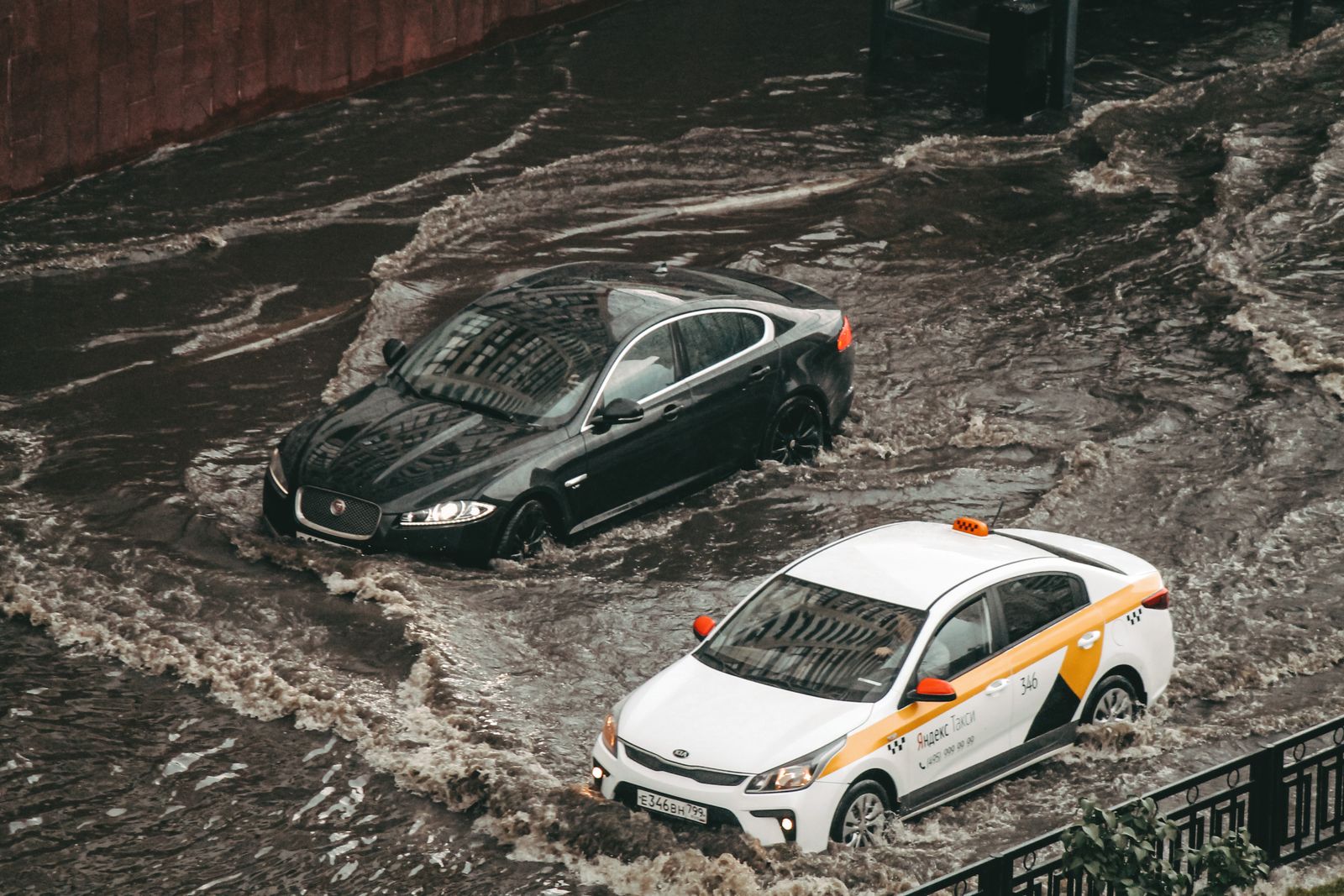
Mud in the spare-tire well is one of those boring flood tells that still catches people who only sniff the cabin. Early October 2026, we keep seeing storm-path SUVs with vacuumed carpets and a spare well packed with fine river grit the seller “never noticed.” Water leaves silt in low pockets long after ozone and shampoo make the seats look showroom-ready.
Early October 2026, retail singles still get quoted around $39.99–$44.99 depending on the brand cart — confirm at checkout because the number moves. Through our licensed reseller checkout, guest reports land about $5.50, member about $4.50, and the CARFAX+AutoCheck bundle about $6.75; credit packs often start near $3. We resell official reports and are not affiliated with CARFAX, AutoCheck, or Experian.
We’ve pulled reseller reports mid-showing and watched AutoCheck or CARFAX surface flood events while the seller insisted the spare grit was “just dirt roads.” Look: NICB and NHTSA keep warning that flood cars get cleaned for resale. Honestly, if the spare well holds powdery silt and the VIN’s last registration sat in a flooded county, you are not looking at a camping trip souvenir.
Why the spare well keeps evidence
When cabin water rises, it drains into the lowest stamped pans — including spare wells and under-trunk cavities. Fine silt settles as water evaporates; vacuuming the carpet rarely reaches those pockets. Related: flood car smell and corrosion signs, flood car electrical failure signs, and saltwater flood vs freshwater.
Here’s the catch. Off-road mud can look similar if you only glance once. So, check texture and location: flood silt is often fine, uniform, and paired with corrosion on jack tools, seat bolts, or connectors. Use water damage brand vs flood brand and flood title vs salvage title when brands are present or suspiciously absent after a known storm.
We’ve seen deals where the seller had shampooed carpets twice and left a half-inch of dried mud under the spare foam. Photograph the well with the VIN visible in another shot the same day. Compare Hurricane Helene flood cars, Hurricane Milton flood cars, and seller-provided CARFAX red flags when the PDF stops before storm dates.
Title brands still matter more than dirt. NMVTIS can show flood or salvage brands a clean cabin never erases. Related: NMVTIS brand codes explained, title washing across state lines, and flood car mold health risks.
Buyer sequence before you negotiate
- Pull AutoCheck and CARFAX the day you negotiate — guest ~$5.50 / member ~$4.50 / bundle ~$6.75; confirm at checkout; retail often $39.99–$44.99.
- Match NMVTIS for flood/water/salvage brands independent of cabin cosmetics.
- Lift the spare; photograph silt, rust on tools, water lines on well walls.
- Cross-check seat-track bolts and under-carpet foam for matching grit.
- Walk if the seller blocks spare access or a live history pull.
Blunt risk: buying a “detailed” hatchback for family miles, then learning flood branding sits on NMVTIS and the heater smell returns after humidity. Related: private-party salvage title red flags, clean title after salvage red flags, and what is a branded title.
Early October 2026 “just trail dust in the spare” captions still deserve a pause on storm-path VINs. We’re a licensed reseller — not affiliated with CARFAX, AutoCheck, Experian, or NHTSA. If the seller only offers a cropped PDF or refuses a live pull, believe the refusal. Confirm checkout prices, keep both history PDFs with spare-well photos, and walk when grit and silence on water share a driveway.
Also compare flood car airbag module risks when water reached seat bases. Sleep on any same-day wire rush overnight. Keep the folder boring — live report PDFs, NMVTIS screenshots, and a hard no on mystery bargains with muddy spare wells.

Comments (0)
No comments yet. Be the first to share your thoughts!
Log in to leave a comment.