
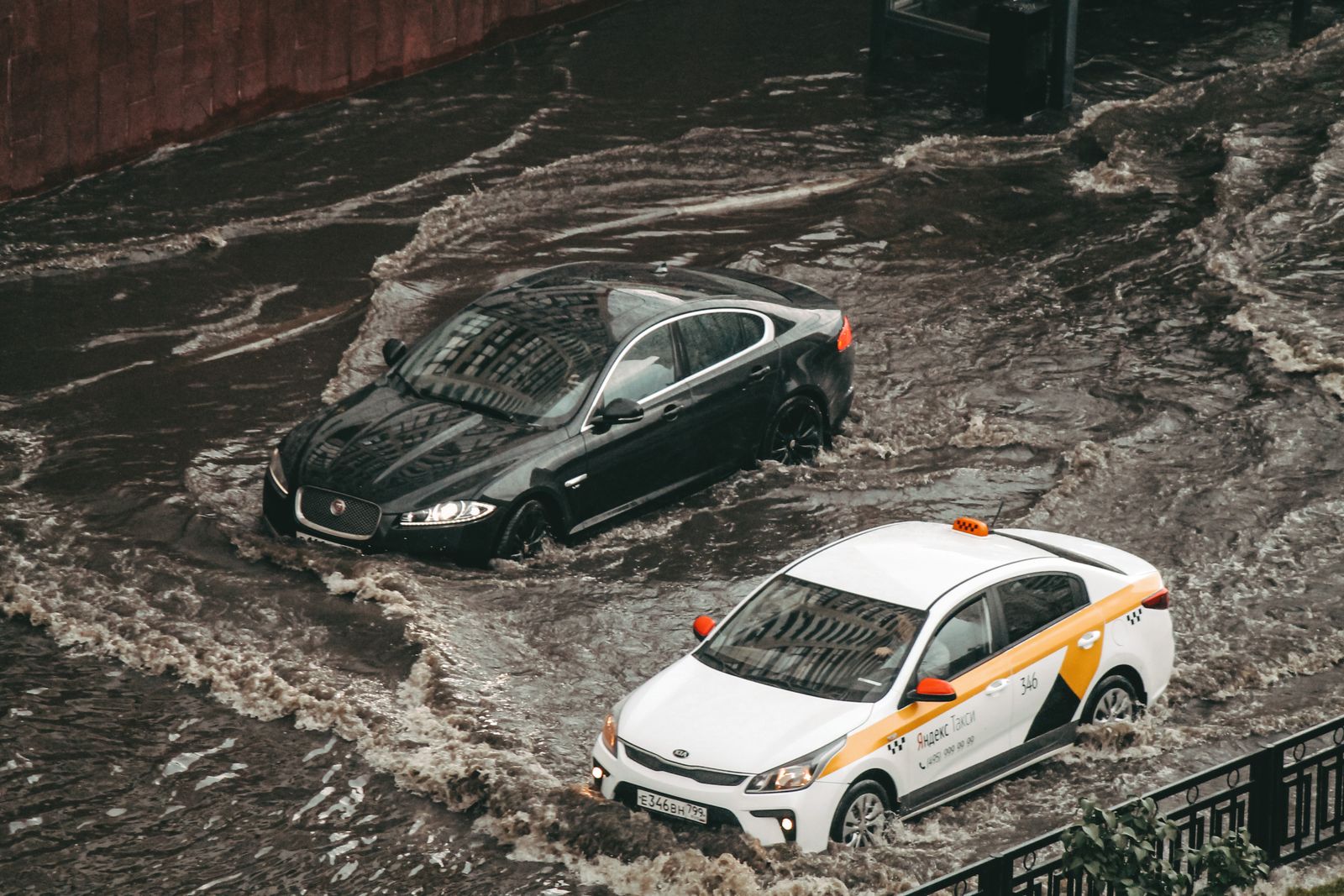
The papers inside a glovebox are some of the cheapest flood and history evidence on a used car. A water-rippled owner's manual or a brown tide line across old receipts points to standing water, and the dates, mileages, and addresses printed on those papers should agree with the VIN history report; when they disagree, slow down before you talk price.
In early October 2026, with storm-season cars still drifting into listings far from where they got wet, ten minutes of reading beats another lap around the lot. For physical checks on the bin, see our companion guides on silt in the glove box hinge, latch, and bin and the glove box water line. This page covers the contents.
What floodwater does to the paper in a glovebox
Paper that soaked and dried keeps a record of it. A thick owner's manual swells at the edges and dries with wavy, rippled pages that will not lie flat. Stacked receipts and slips can show a faint brown line at the same height on every sheet. Look for fused pages, bled ink, rusty staples, and gray speckles inside the manual sleeve. A musty smell trapped in the folder often outlasts the cabin air freshener.
Honestly, one wrinkled manual can come from spilled coffee or a leaky windshield seal. Paper evidence counts as a pattern, like the whole stack damaged to one even height or paper damage that lines up with grit in the hinge well. One soggy page alone proves little.
An empty glovebox or a crisp manual on an older car
A spotless, stiff manual in a car that is eight or ten years old is worth a question. Consumer Reports flags brand-new carpets in an older vehicle as a possible flood red flag, and the same logic carries over to paper, since a damaged manual is easy to toss and replace. An empty glovebox proves less, because dealers clean them out and plenty of owners lose manuals. So ask where the original went and whether old receipts exist, even in a shoebox at home. If a spare key or fob is in there, look at it closely. Green or white crust at the fob seam or battery contacts is a water clue detailers tend to miss.
Read the dates, mileages, and addresses on every paper
Every receipt, sticker, and card is a dated data point you can test. Write down each date and mileage from invoices and the oil-change sticker, then check that the miles rise in order and fit the odometer. A receipt that shows more miles than the dash, or a sticker reading that goes backward, belongs next to our notes on CARFAX odometer discrepancies. The warranty booklet often carries an in-service date, which you can compare with the warranty start date on CARFAX.
Addresses tell the geography story. Old registration cards, insurance cards, and shop invoices show where the car actually lived. Consumer Reports notes that flood cars are often moved well beyond the storm region, and the Justice Department's NMVTIS page describes truckloads of flooded cars taken out of Louisiana after Katrina for sale in states that did not brand them. Match the registration VIN to the dash and door jamb with our guide on finding and verifying a VIN.
Cross-check the papers against CARFAX, AutoCheck, and NMVTIS
Line the papers up against the report entry by entry. CARFAX says its reports cover service history such as oil changes, the states a car was owned in, last reported mileage, and flood or lemon titles. Service records that stop right after a storm month and restart in a new state are the timeline to study, and our guide to service records on CARFAX explains what those entries mean.
Run the free checks as well. NMVTIS shows brands like flood, salvage, and junk, and it warns that a search can return a false negative while reporting gaps remain. NICB's free VINCheck looks for theft, salvage, and flood records from member insurers, and the FTC points out it only catches damage when the car was insured. Consumer Reports adds that the free CARFAX flood check weighs area history and the car's registered address. We've seen buyers treat one clean free check as the whole answer, so compare sources with NMVTIS vs CARFAX and read up on spotting title washing.
As a licensed reseller we sell official CARFAX and AutoCheck reports and are not affiliated with CARFAX, AutoCheck, or Experian. Retail singles often run about $39.99 to $44.99; through us a guest report is about $5.50, members pay about $4.50, and the CARFAX plus AutoCheck bundle is about $6.75. Prices change, so confirm at checkout. Look, a printed history tucked in the glovebox is the seller's document, and a cropped or edited PDF is a known setup on washed-title cars, so run the VIN yourself and check our seller-provided CARFAX red flags.
What to photograph and what to ask
Photograph the papers in place, then shoot each one flat so dates and mileages stay readable.
- The manual's page edges from the side, showing any ripple or tide line.
- Every receipt, inspection slip, and oil-change sticker, with date and mileage visible.
- Registration and insurance cards, showing state, address, and VIN.
- The warranty booklet's in-service date page.
- Any spare key, fob seam, and battery contacts.
Then ask where the car lived during the last big local storm, whether it was ever in water, and where the original manual and receipts went. Get the answers by text, in writing. A seller who bristles at you reading old oil-change slips has told you something.
When clean papers still are not enough
Tidy, consistent papers lower the odds but do not clear a car, since a flipper can stock a glovebox with a fresh manual and nothing else. Some flood cars never get branded at all. If the papers raise any doubt, or the car came from a storm-hit area, do the hinge and water-line checks in the companion guides and pay an independent mechanic, which the FTC recommends for water damage, before money changes hands.

Comments (0)
No comments yet. Be the first to share your thoughts!
Log in to leave a comment.