
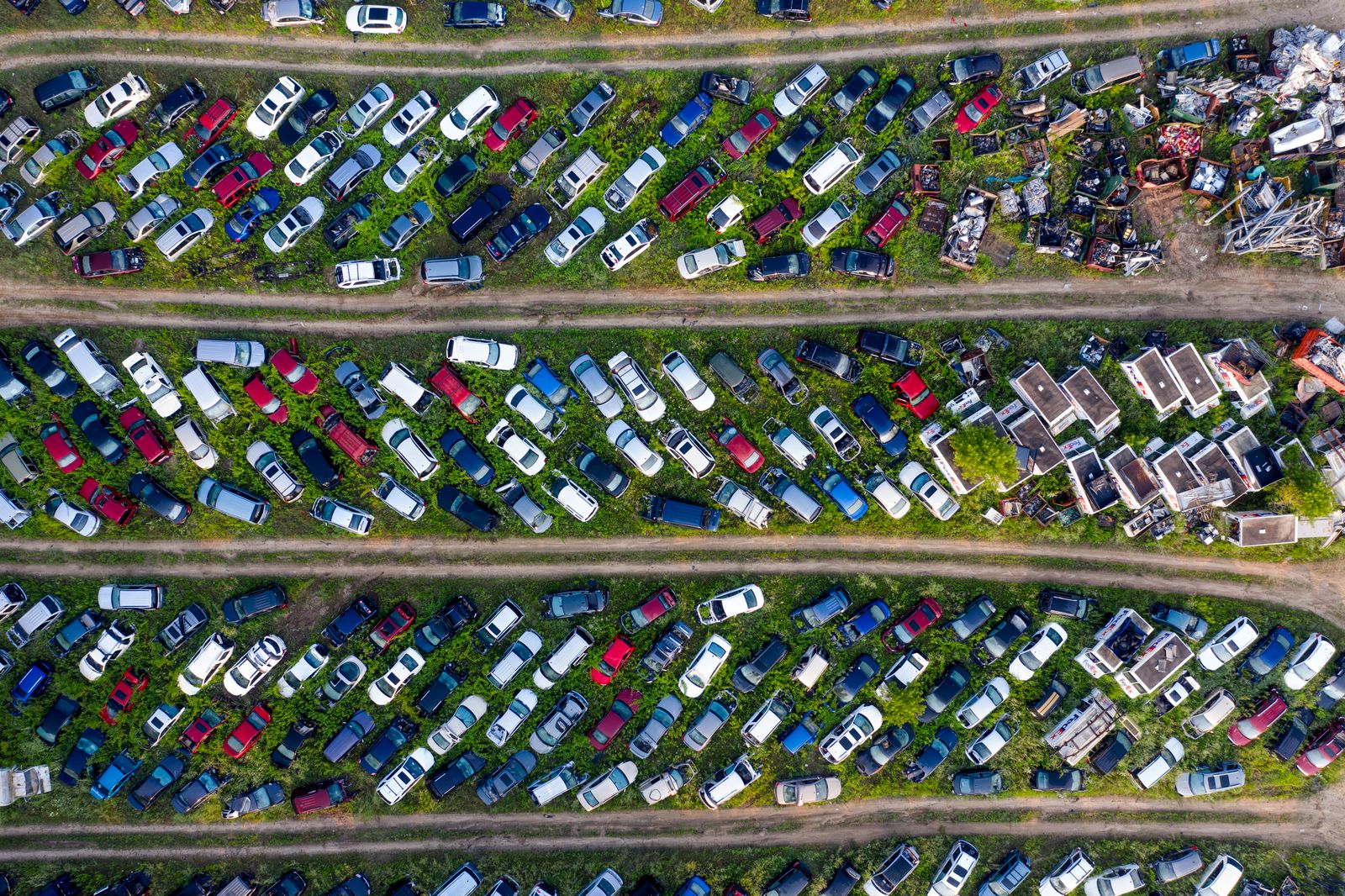
North Carolina’s “salvage rebuilt” brand is not a Craigslist synonym for “fixed.” NCDMV treats a salvaged vehicle as damage (parts + labor) over 75% of fair market value — and for six-model-year-or-newer cars, the title path often runs through a State Highway Patrol Investigative Services Unit anti-theft inspection before you should feel comfortable wiring money.
Late September into early October 2026, retail singles still get quoted around $39.99–$44.99 depending on the brand cart — confirm at checkout because the number moves. Through our licensed reseller checkout, guest reports land about $5.50, member about $4.50, and the CARFAX+AutoCheck bundle about $6.75; credit packs often start near $3. We resell official reports and are not affiliated with CARFAX, AutoCheck, or Experian.
We’ve watched Triangle and Charlotte listings wave a damage disclosure and call it “already rebuilt NC.” Look: NCDMV’s special-cases pages separate flood vehicles, junk vehicles, reconstructed vehicles, and salvage rebuilt vehicles — those words are not interchangeable. Honestly, if the seller shrugs at MVR-181 damage disclosure questions, you’re already negotiating against incomplete paper.
How NC defines salvage, flood, and salvage rebuilt
NCDMV’s definition is practical: repairs needed to make the vehicle safe for public roads exceed 75% of fair market value (NADA-style guides as referenced on damage-disclosure materials). When insurers pay claims, notification rules kick in on in-state damage/title transfers. Here’s the catch. A flood vehicle is its own classification — submerged or partially submerged enough to damage body, engine, transmission, or differential — and that history can still matter after a rebuild. Related: North Carolina salvage title thresholds, South Carolina salvage→rebuilt rules, and what a flood title means.
For vehicles six model years old or newer, NCDMV points applicants toward an anti-theft inspection by the State Highway Patrol Investigative Services Unit. NCDMV also tells consumers to be careful buying salvaged vehicles and to use that inspection mindset before purchase — not after the wire clears. So, pull CARFAX and AutoCheck the day you negotiate — guest ~$5.50 / member ~$4.50 / bundle ~$6.75; confirm at checkout; retail often $39.99–$44.99 — and compare ownership geography to any coastal or river flood seasons that might not match the seller’s story.
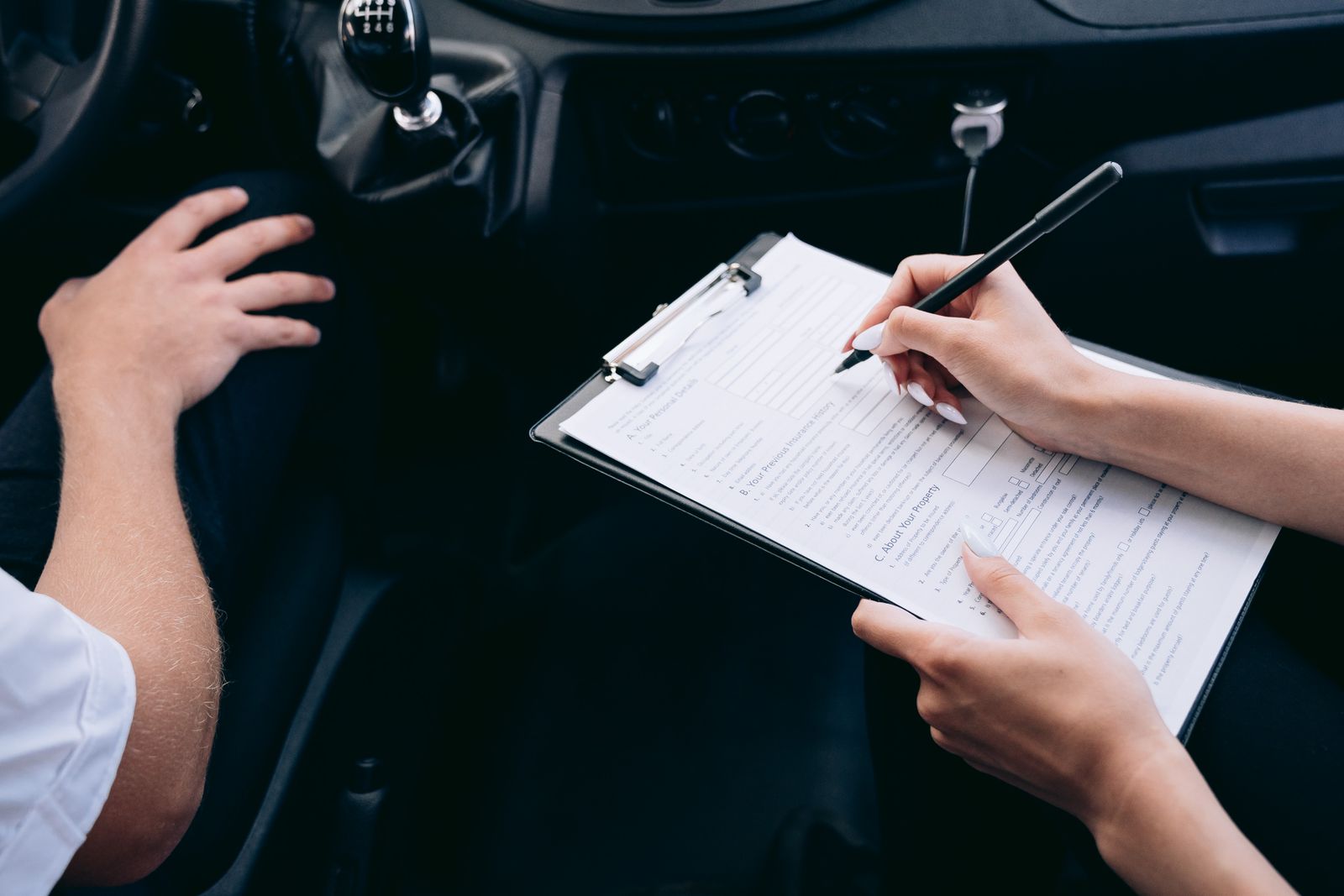
Title paperwork commonly involves a notarized MVR-1, damage disclosure MVR-181, ownership proof, fees, and highway-use tax where due. We’re not your NC clerk — confirm the current packet on NCDMV’s forms pages before you drive to a license plate agency with a half-complete folder.
Buyer sequence for Carolinas shopping
- Read the physical brand: salvage, salvage rebuilt, flood, reconstructed, or junk — each means different next steps.
- Demand SHP inspection status for newer salvage VINs instead of trusting “mechanic said it’s fine.”
- Collect repair invoices and disclosure forms; match donor parts when major panels moved.
- Run NMVTIS brand history alongside both commercial reports.
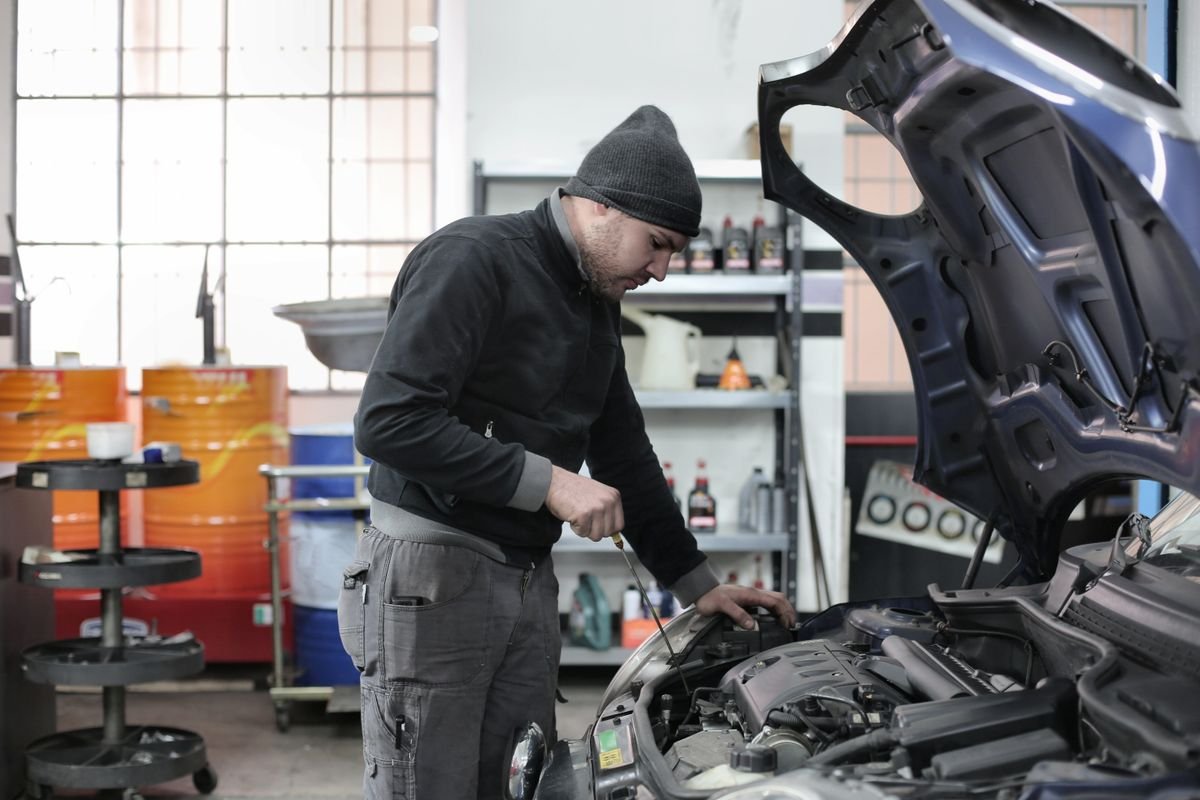
- Get a PPI that looks for flood silt even when the brand only says salvage rebuilt.
Blunt risk: buying a “Charlotte one-owner” crossover because the price undercuts comps, then finding Ida-era or inland-flood breadcrumbs the seller never mentioned on MVR-181. Related: Hurricane Harvey flood cars, title washing across state lines, and should you buy a rebuilt title car.
Early October 2026 still recycles older Atlantic storm metal through Southeast lots. We’ve pulled reseller reports where NC ownership sat next to Louisiana or New Jersey chapters from 2021 — geography is a clue, not a conspiracy theory. We’re a licensed reseller — not affiliated with CARFAX, AutoCheck, Experian, or NCDMV. If the seller refuses a live VIN pull, walk. Confirm checkout prices, keep both PDFs with disclosure copies, and overweight SHP/inspection paper when the ad treats “salvage rebuilt” like a coupon code.
Also compare NC’s 75% threshold language with neighboring South Carolina rules when a seller claims the car “could have been titled either place.” Thresholds and inspection cultures differ; your job is to verify the state that actually branded the VIN.
Comments (0)
No comments yet. Be the first to share your thoughts!
Log in to leave a comment.