
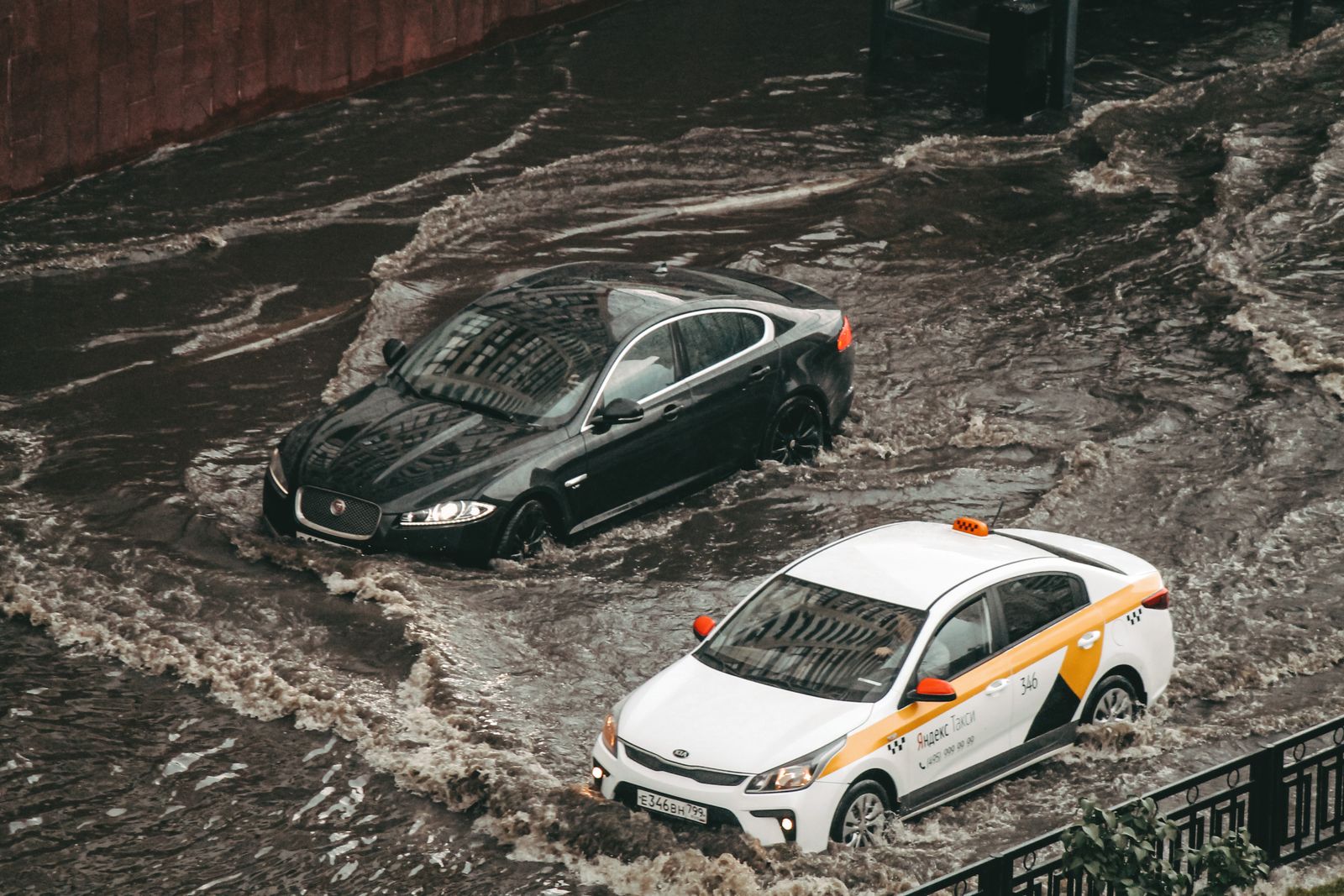
Undercoating Hiding Flood Damage: Fresh Black Paint Is a Clue
Fresh undercoating can hide silt lines and corrosion after a flood. Learn inspection tells, title brands, and how history reports help before you buy.
Fresh undercoating can hide silt lines and corrosion after a flood. Learn inspection tells, title brands, and how history reports help before you buy.
Ozone machines can mute flood odor for a showing, but they do not fix silt, corrosion, or mold roots. Learn how to verify before you buy a “fresh-smelling” storm car.
Hurricane Harvey flooded huge inventories in 2017 — and some of those VINs still circulate. Learn brands, wash risk, and how to check history before you buy.
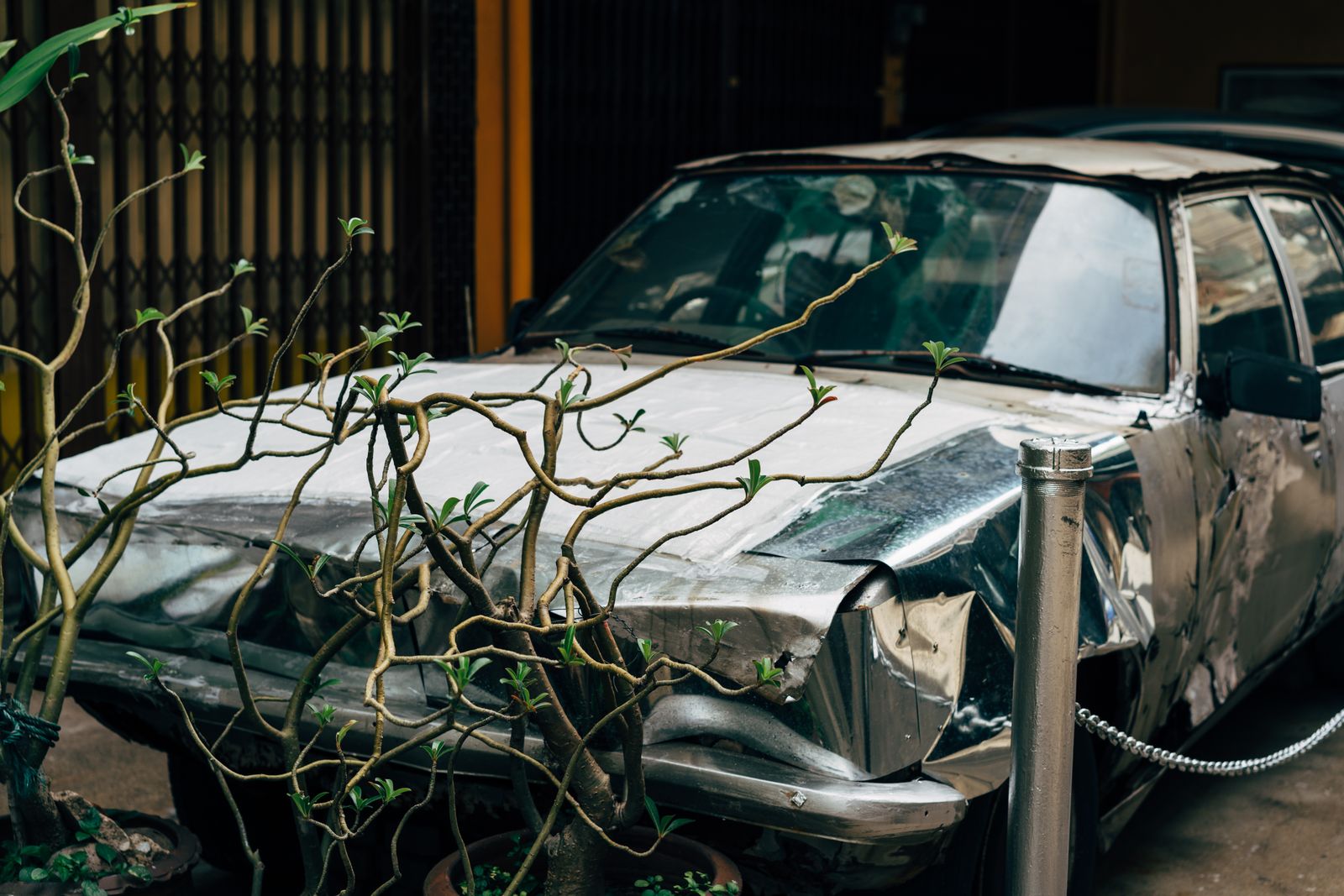
The Canadian side of an import's paper trail: Ontario and Quebec damage statuses in their own terms, the Ontario UVIP lien record, RIV round trips, and what duty paperwork tells you. Full U.S. checklist lives in our Canada import guide.

Title washing moves a branded car across states hoping a clean-looking title fools the next buyer. Learn NMVTIS checks, report tells, and red flags that still work in 2026.

Rideshare history can mean high cycles, curb damage, and different maintenance. Learn how CARFAX/AutoCheck flags use and what to inspect before you buy.
A prior police-use flag means fleet life, hard miles, and different wear — not automatically a wreck. Learn what reports show and what still needs inspection.
A bonded title fills a paperwork gap with a surety bond — it is not proof the car’s history is clean. Learn risks, red flags, and how reports help before you buy.
Saltwater flood damage attacks wiring and fasteners harder than freshwater. Learn title brands, inspection tells, and how history reports help before you buy.
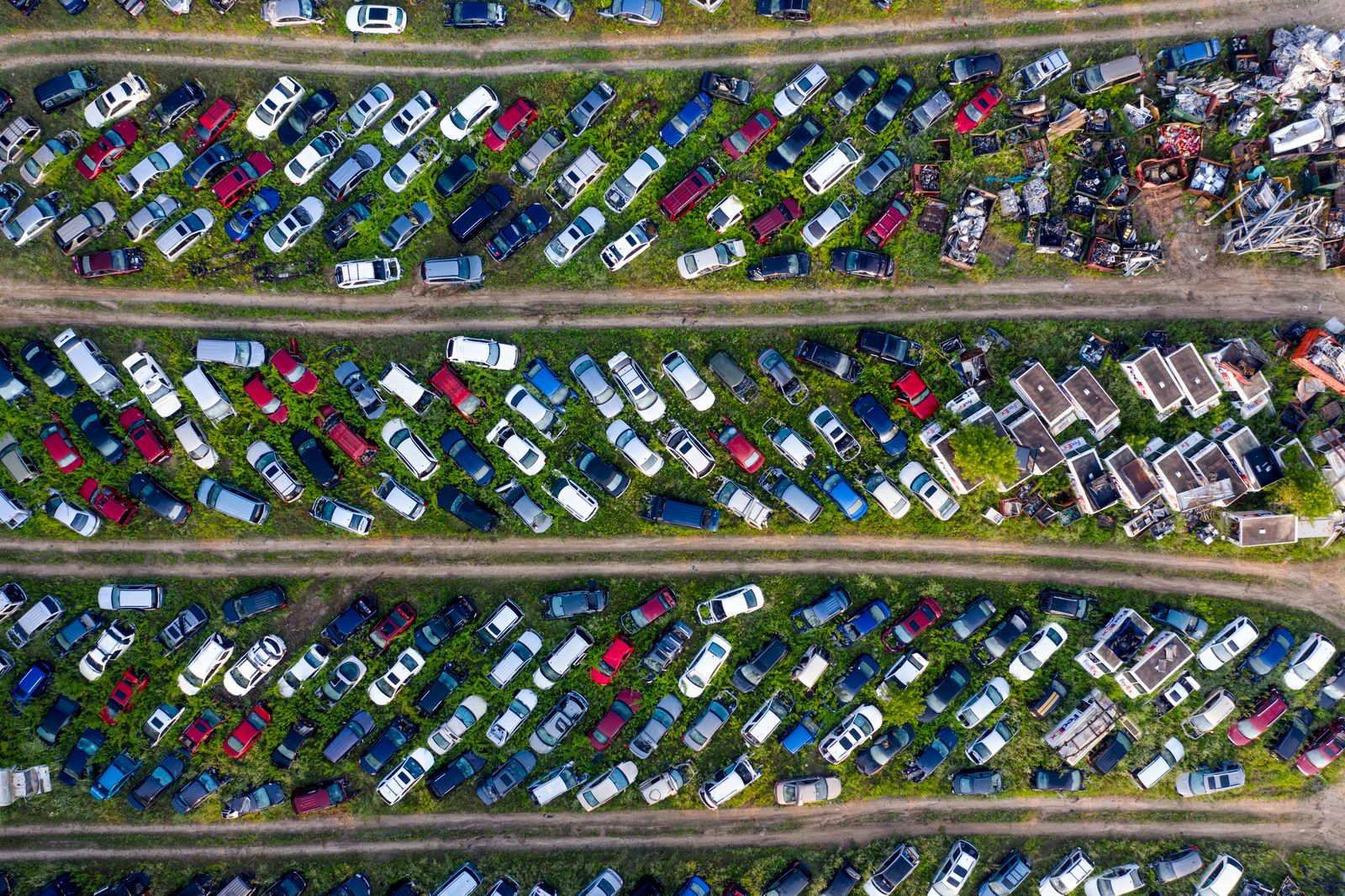
A parts-only title usually means the vehicle is not meant to return to the road. Learn how NMVTIS and history reports show the brand before you buy a “project.”


