
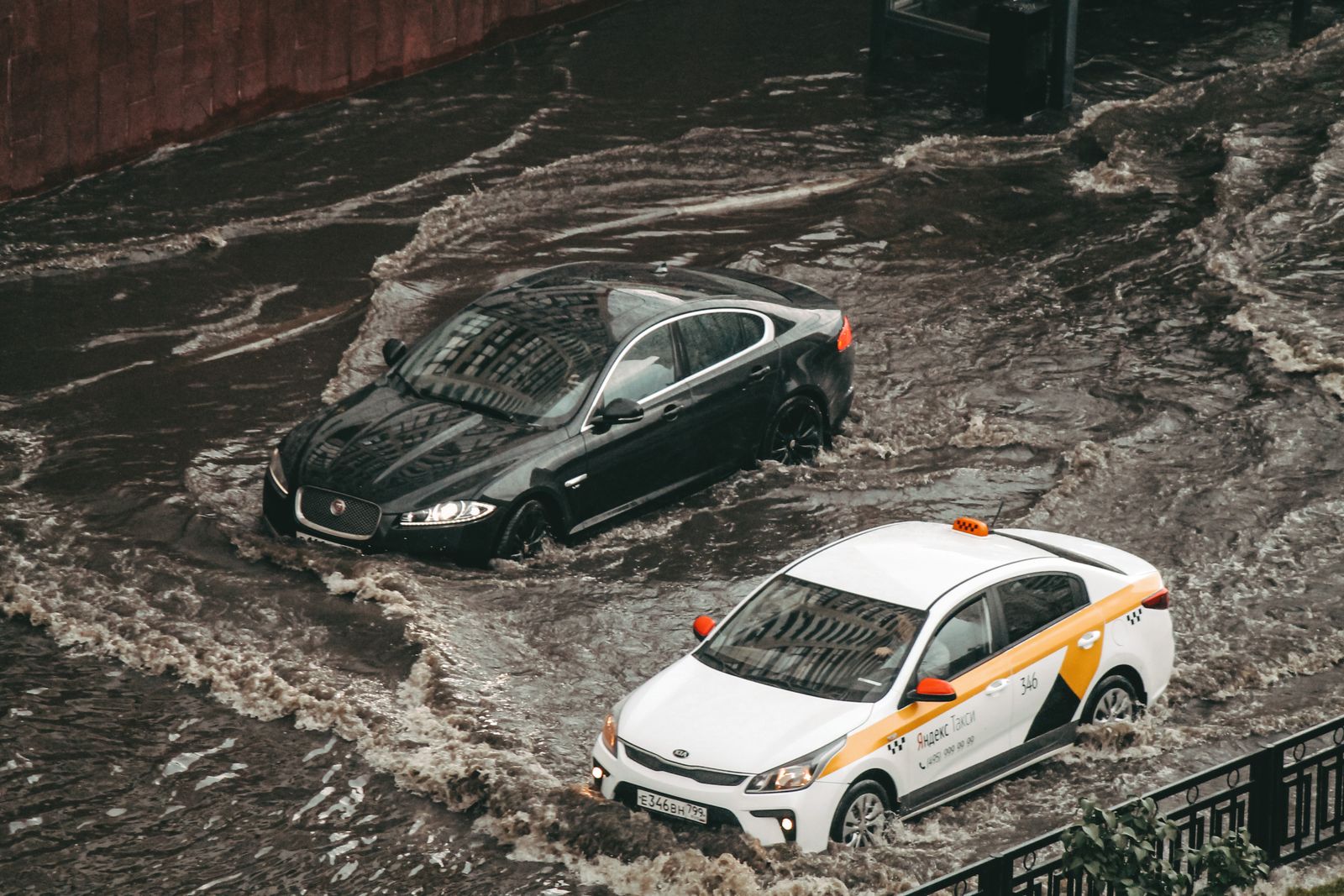
Hurricane Debby Flood Cars: Storm-Zone VINs Still Show Up in Used Listings
Hurricane Debby left flood risk across Southeast corridors. Learn how to check storm-era VINs with NMVTIS and live history reports before you buy.
Hurricane Debby left flood risk across Southeast corridors. Learn how to check storm-era VINs with NMVTIS and live history reports before you buy.

Catalytic converter theft may show up as police reports, insurance claims, or repair entries — or not at all. Learn how to read history clues and inspect underbody damage.

NMVTIS junk and certificate-of-destruction brands flag vehicles reported as destroyed or junked. Learn how to read those brands before you buy a “rebuilt” bargain.
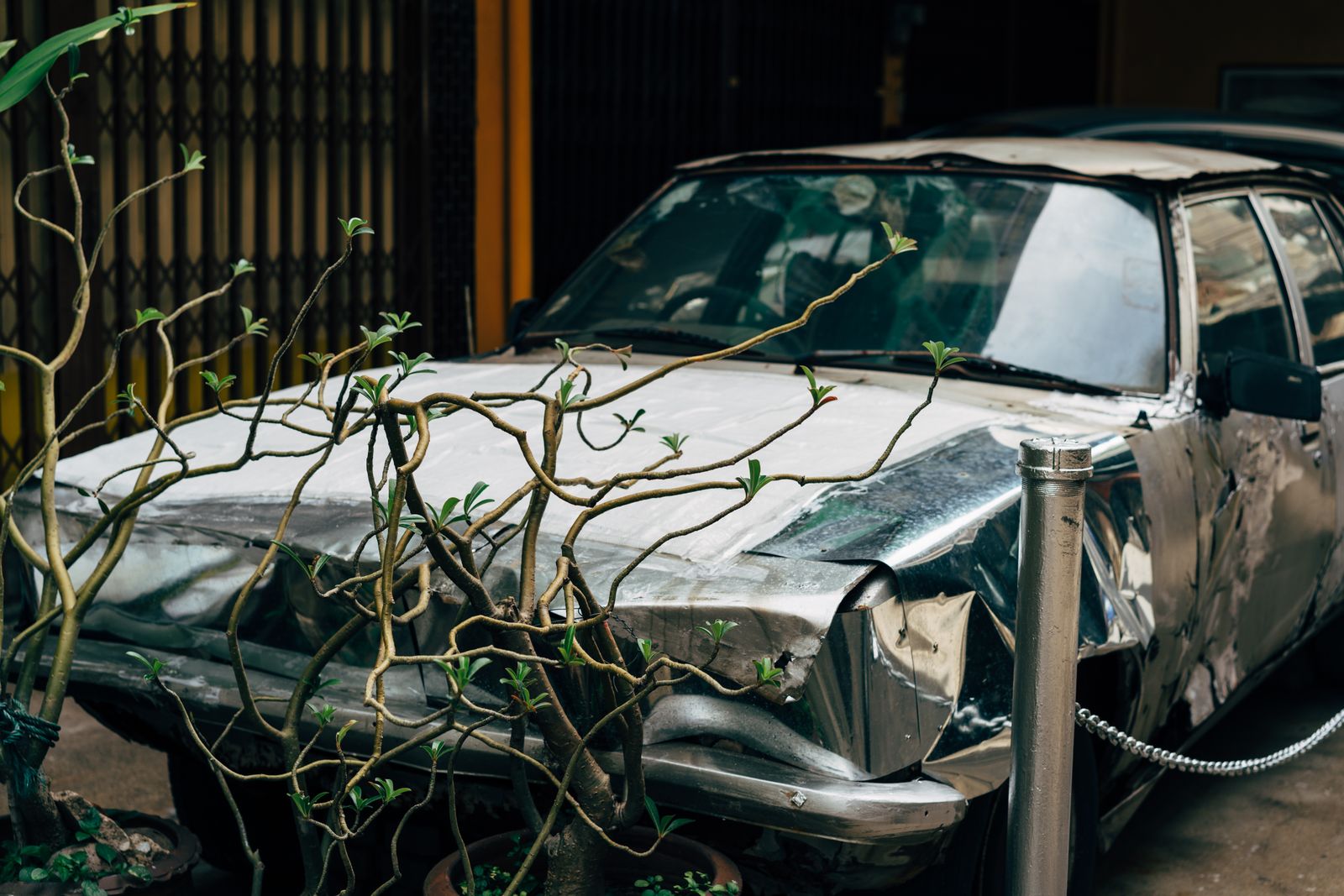
A crush or crushed designation usually means the vehicle was destined for destruction. Learn why that path and junk/COD brands are hard stops for a daily driver.
A Not Actual Mileage (NAM) or TMU brand means the odometer reading is not trusted. Learn how the brand shows up and what to do before you buy or sell.
Flooded EVs can hide battery pack corrosion and delayed thermal risk. Learn title brands, inspection steps, and why a dry cabin is not proof the pack is safe.
A hail title brand means weather damage hit salvage thresholds in that state. Learn how hail brands differ from cosmetic dings and how to verify before you buy.
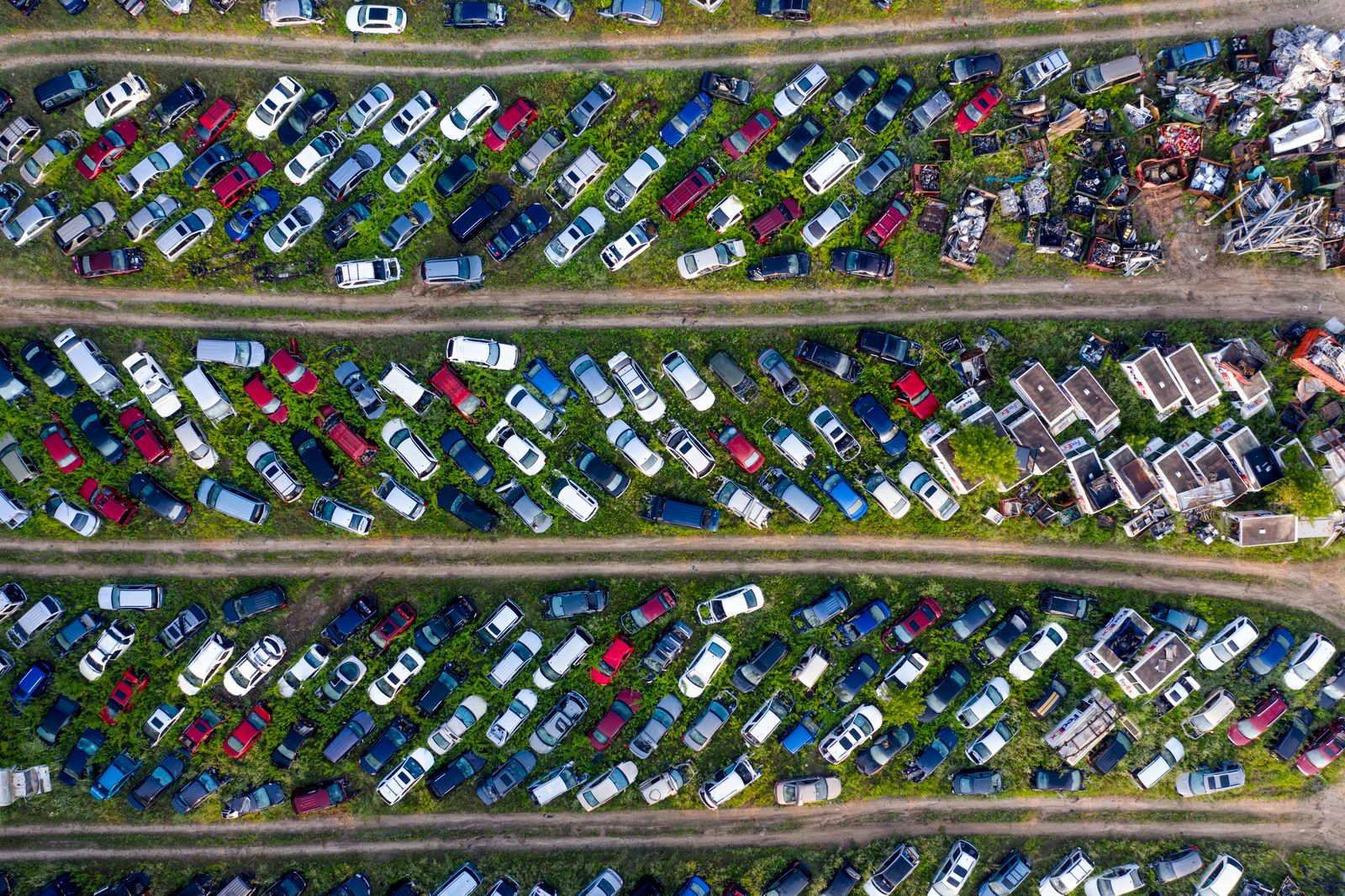
A fire or fire-damage title brand means heat and smoke may have cooked wiring and modules. Learn how brands show on NMVTIS and history reports before you buy.
Wildfire-salvage cars can look intact while wiring, interiors, and structure took heat or corrosive smoke. Verify fire brands and inspect before you buy California storm-of-fire leftovers.
Water-damage and flood brands are related but not always identical across states and report feeds. Learn how to read both and what to inspect before you buy.


