

Used EV and Carfax: What History Reports Miss About Battery Health
CARFAX will not grade live EV battery health. Use history reports for brands and accidents — then measure the pack before you buy.
CARFAX will not grade live EV battery health. Use history reports for brands and accidents — then measure the pack before you buy.
Dealership free AutoCheck helps screen cars — but stale or truncated files still mean you should buy your own before you sign.

Dealers may share reports; private sellers often share captions. Here’s who should buy CARFAX/AutoCheck — and how to verify either file.

Fleet use on CARFAX flags corporate or commercial duty. Here’s how to inspect, price, and avoid “executive driven” spin.
Moderate accident on CARFAX sits between cosmetic and severe. Here’s how to inspect, price, and decide without seller spin.
A severe accident on CARFAX means heavier reported damage — inspect structure and safety systems before you negotiate or walk.
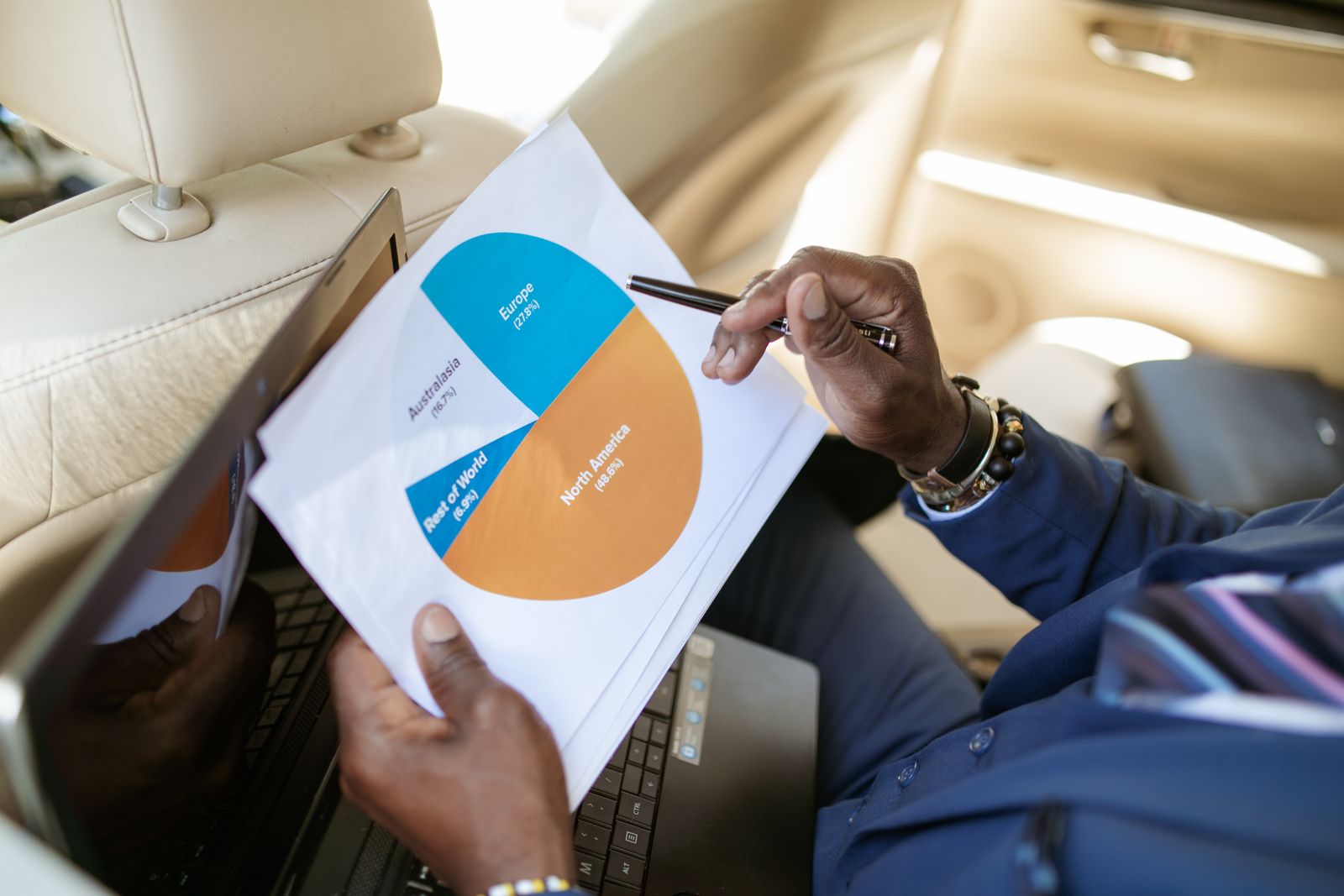
An AutoCheck score below the comparable range means higher modeled risk than peers. Here’s how to read the gap — and when to walk.
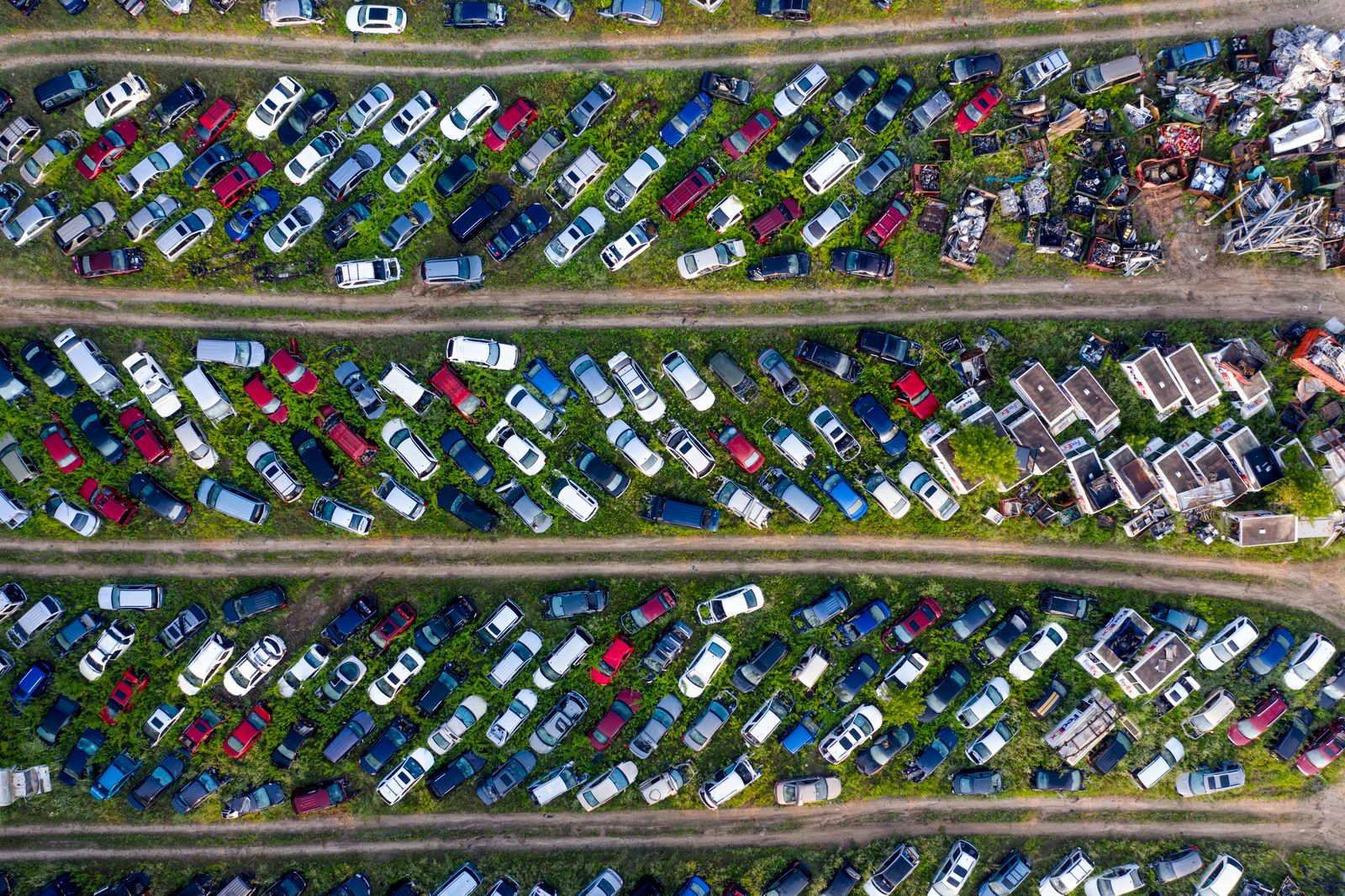
Oklahoma hail salvage titles show up on CARFAX and AutoCheck as brands and damage events. Here’s what to verify before you buy.
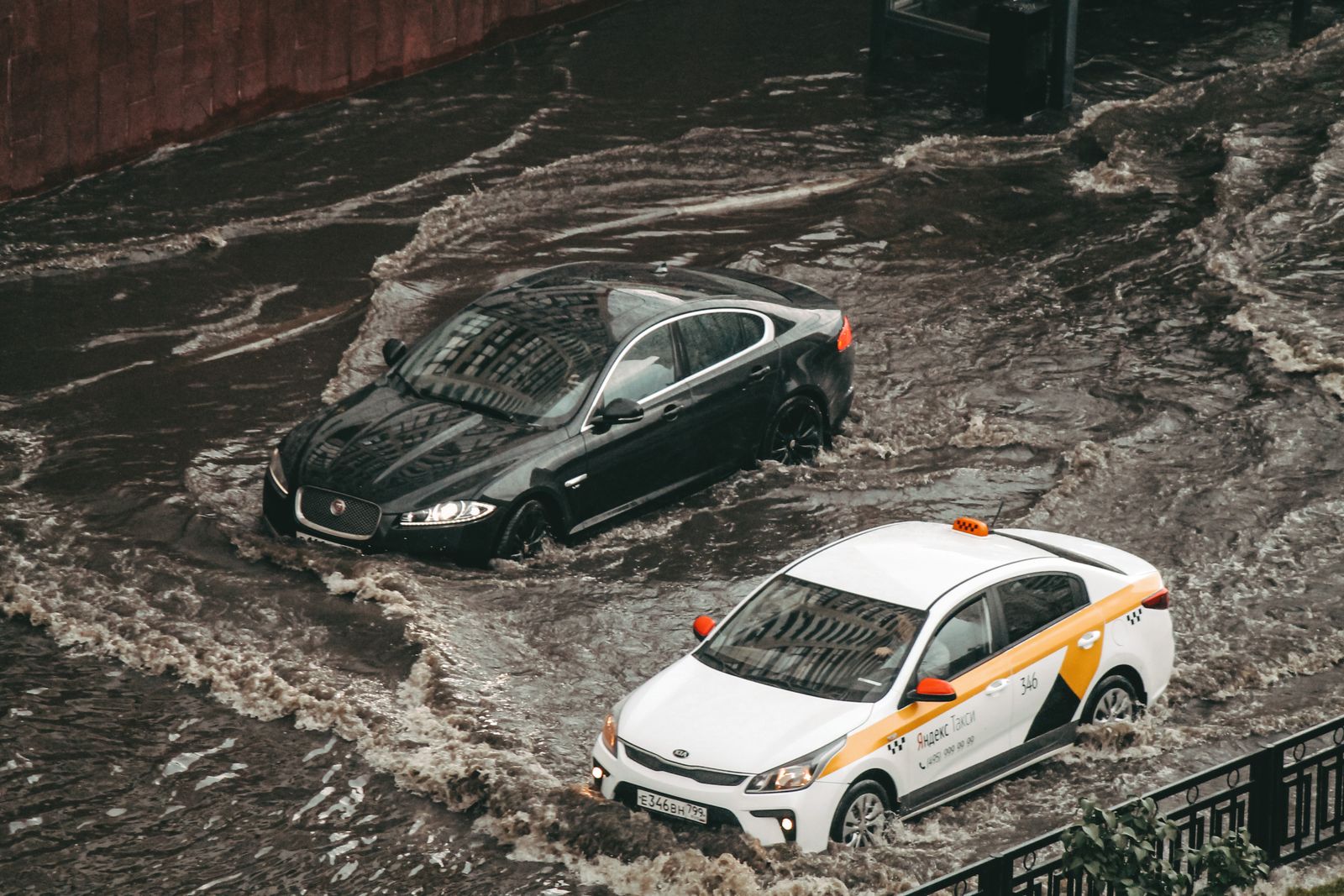
Louisiana-linked used cars after floods need title, history, and water inspections — not seller depth estimates.
California often folds flood damage into salvage branding. Missing the word “flood” on a CA title does not mean the car never saw water.


