
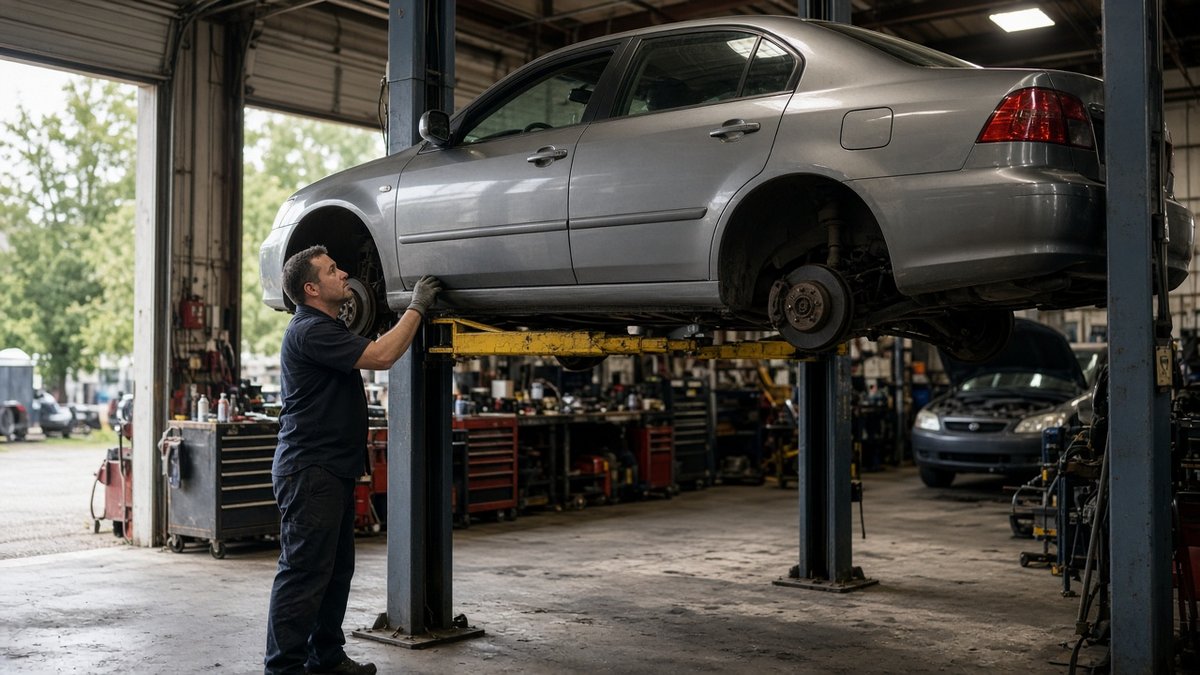
A deer hit shows up on CARFAX only if someone sends the record in, which usually means the insurer that paid the claim, a police crash report, or a body shop that shares repair data. If the owner paid cash at a small shop and never called the police, the hit can be invisible on the report. So a clean CARFAX on a car from deer country tells you less than you'd hope. Read the damage lines closely, then pay a mechanic to look behind the bumper.
How a deer hit lands on a CARFAX report
A deer strike reaches the report like any other damage, through a source that shares data with CARFAX. The CARFAX vehicle history reports page says its database holds billions of records from more than 151,000 sources, and its checklist covers accident history, damage severity, point of impact, repair records, and structural damage. CARFAX also publishes an accident and damage report built from incidents reported to it. When we pulled that page on Wednesday, October 7, 2026, it said that once you set aside other vehicles and records with no description, animal collisions topped its 2024 chart of what drivers hit. The same page says more than half of reported damage lands on the front of the car, which is exactly where a deer ends up.
So deer hits do show up, and fairly often. We can't promise the entry will name the animal, so read the date, damage location, and severity together. Our guides on how to read a CARFAX report and front damage on CARFAX walk through those fields, and minor accidents on CARFAX covers glancing hits.
Why plenty of deer hits never make it
Plenty of deer hits never reach any database, and federal research shows the gap. The Federal Highway Administration's wildlife-vehicle collision report to Congress puts the total at one to two million crashes with large animals a year, yet only about 300,000 a year were reported to police with enough damage to land in crash databases, where the cutoff runs roughly $400 to $1,000 depending on the state. The same chapter says the roughly one million yearly insurance claims only count vehicles that carried comp coverage, because hits on uninsured cars never reach the insurance industry.
That report dates to 2008, so the counts are old, but a hit nobody claims or reports still leaves nothing to share. CARFAX's own accident page admits that not all accidents are reported to it, and its support center showed our script a captcha wall today, so we quote its main pages instead. Read does CARFAX show unreported accidents and what CARFAX doesn't show, too.
Deer hits usually run through comp, not collision
Insurers generally pay for deer strikes out of comp coverage, not collision. AAA East Central says collision coverage pays when you hit a pole, guard rail, or mailbox, while comp handles damage "other than collisions," which includes contact with animals. State Farm says that coverage typically pays for animal collisions, subject to the policy terms and deductible. Consumer Reports agrees that deer repairs fall under it.
Honestly, from the buyer's side the claim type matters less than whether anyone filed one. We haven't seen CARFAX say which claim types each insurer passes along, so don't assume either way. An owner with liability-only insurance had no claim to file at all, so the bill went from owner to shop and possibly nowhere else.
Fall is deer season, and it just started
October through December is peak season for deer crashes, and in early October 2026 we're at the front edge of it. State Farm's consumer page, dated September 15, 2026, ranks November, October, and December as the riskiest months and puts the national odds at 1 in 145, with West Virginia worst at 1 in 46. Its newsroom estimates more than 1.6 million animal-collision claims from July 2025 through June 2026, and says State Farm alone paid $1.9 billion on them. The Insurance Information Institute says more deer-vehicle collisions happen in that stretch than at any other time of year.
Deaths follow a slightly different calendar. IIHS counted 210 people killed in 2024 crashes where hitting an animal was the first harmful event, with the most deaths in July through September. Look, cars hit last fall have had months to get fixed and listed, and cars hit this fall may reach the market before any record catches up. Our post on how long an accident takes to show on CARFAX covers that lag.
What a deer does to a car
Deer hits are mostly front-end damage, and modern front ends cost real money to fix. CARSTAR, the collision repair chain, says most deer-related crashes involve front-end damage that can mean replacing windshields, bumpers, headlamps, and the driver-assist hardware housed there. A Michigan body shop owner told WILX in October 2025 that he has seen cars with structural damage from a deer, with bent frame rails and inner structure, and that a destroyed front end can run five to ten thousand dollars. Shops in Elmira, New York told WETM that the average repair runs about $3,500 to $6,500 at lower speeds and over $10,000 after a highway hit, and that headlights on newer cars are very expensive.
Insurance numbers say the same thing. The Times Leader reported that AAA's average 2024 animal-strike claim in Pennsylvania was $6,113, up 41% in five years, and that AAA blames much of the rise on cameras and sensors in the windshield, bumper, and mirrors. FOX 5 DC put AAA's Maryland average at $6,218. So a car that "just needed a bumper" after a deer deserves a closer look than one that got tapped in a parking lot. If the hit was hard, check for airbag deployment on CARFAX and frame damage on CARFAX entries too.
How to check a car you think hit a deer
Start with the report, and check whether any front damage date falls in late fall in a high-deer state. The Times Leader cited PennDOT data showing 6,426 deer-related crashes in Pennsylvania in 2024, and Michigan State Police told WILX the state saw nearly 60,000 in 2023. Then ask the seller straight out whether the car ever hit an animal and whether anyone filed a claim. A seller who goes vague on that question has given you an answer of sorts.
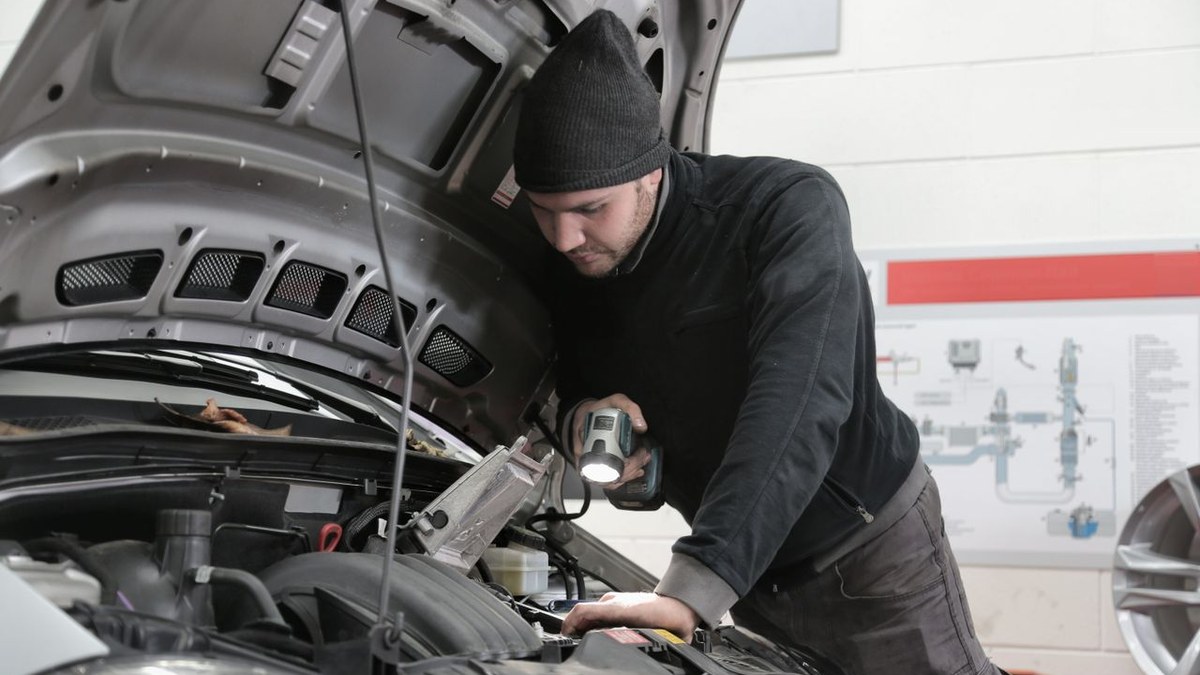
Next, book an inspection and tell the mechanic you suspect a front-end hit. Ask them to look behind the bumper cover at the radiator, the A/C condenser, and the headlight mounts, check that the hood latches cleanly with even gaps, look for the leaking fluids and tire damage State Farm tells drivers to check after a strike, and scan the driver-assist sensors for faults. A paint gauge on the hood and fenders shows refinished panels a fresh detail hides, which our guide to paint work on CARFAX explains.
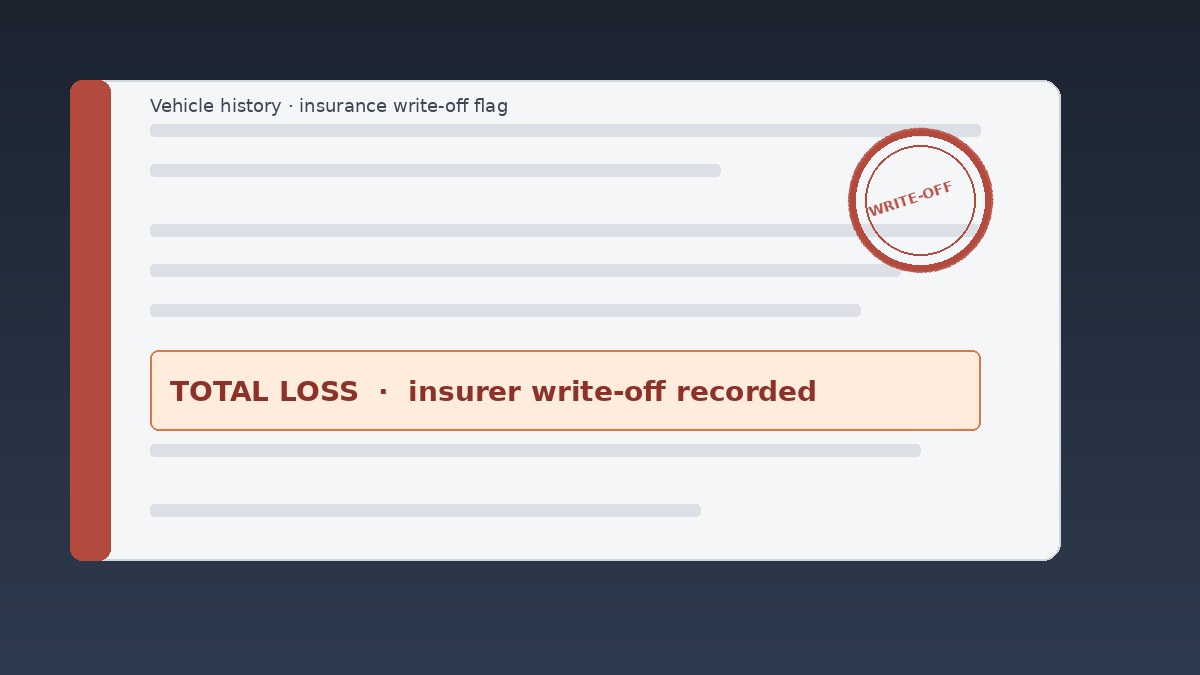
If the report or the mechanic does turn up a deer hit, use it. A repaired hit can still cost resale value, which is why we've written about negotiating price with an accident on CARFAX and diminished value claims. If the insurer wrote the car off, look for a total loss on CARFAX and a branded title.
Pull the report yourself
A seller's PDF is easy to edit, and deleting one damage line takes minutes, as our post on spotting a fake CARFAX report shows. Through us a CARFAX report runs about $5.50 as a guest, $4.50 for members, or $6.75 for the CARFAX and AutoCheck bundle, against roughly $39.99 to $44.99 retail, so confirm at checkout. We're a licensed CARFAX and AutoCheck reseller and we're not affiliated with CARFAX, AutoCheck, or Experian. The inspection is what finds the hit nobody reported.
Sources
- CARFAX, Vehicle History Reports (report checklist and FAQ)
- CARFAX, Accident and Damage Report (2024 data)
- FHWA, Wildlife-Vehicle Collision Reduction Study: Report to Congress, Chapter 2 (2008)
- AAA East Central, It's the Peak Time of Year for Deer Collisions
- State Farm Newsroom, 20 Years of Animal Collision Data (September 2026)
- State Farm, How likely are you to have an animal collision (September 15, 2026)
- Consumer Reports, How to Avoid Collisions With Deer This Fall
- Insurance Information Institute, Facts and Statistics: Deer Vehicle Collisions
- IIHS, Collisions with Fixed Objects and Animals
- CARSTAR, Oh Deer! Deer Damage
- WILX, What is the cost of a deer-related car crash (October 2025)
- WETM via Yahoo Autos, Hit a deer, how much you can expect to pay
- Times Leader, Vehicle-deer crash season brings driving dangers, potential costly repairs
- FOX 5 DC, AAA urges drivers to stay vigilant during deer-mating season
Comments (0)
No comments yet. Be the first to share your thoughts!
Log in to leave a comment.