
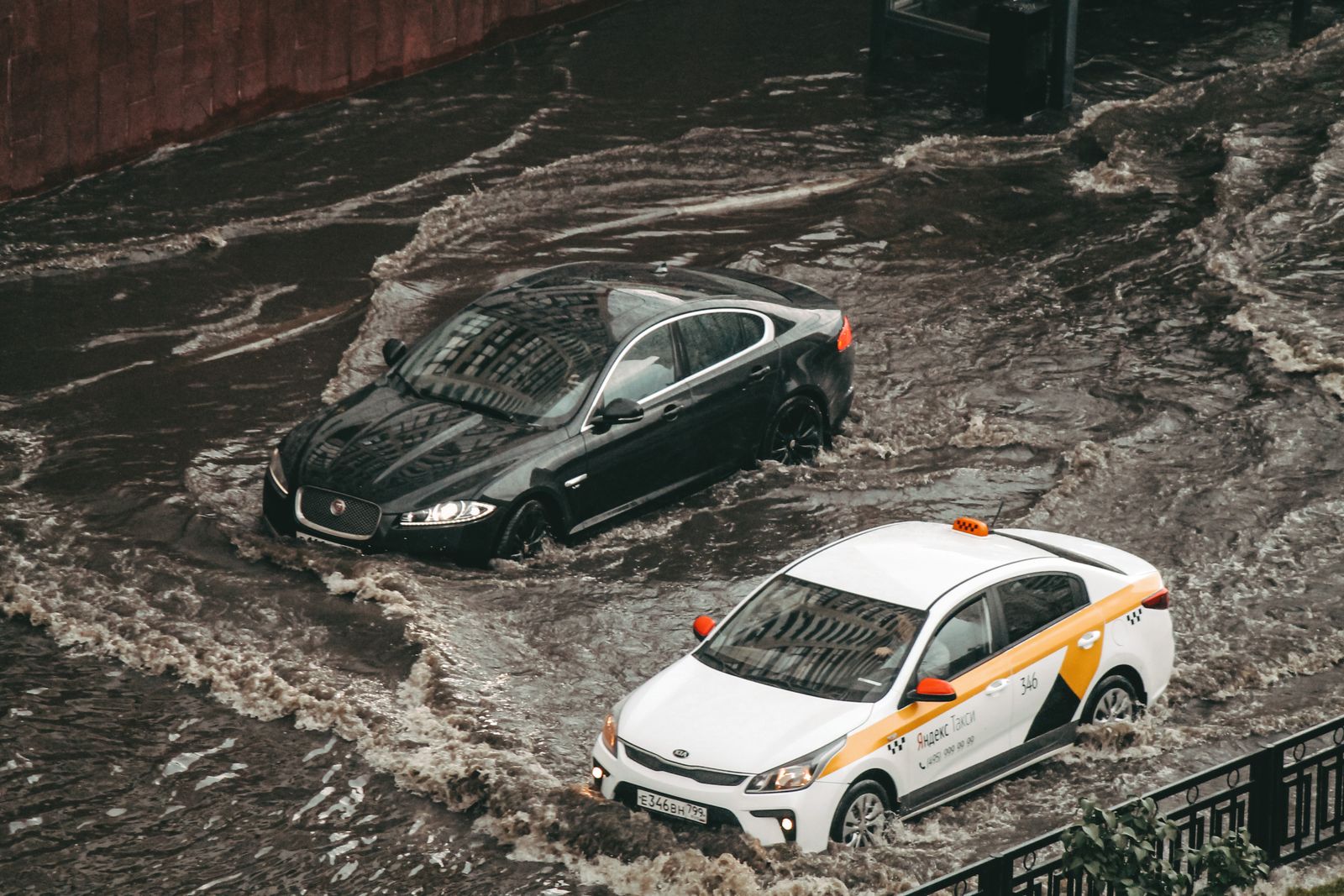
Flood car fuse box corrosion is the kind of evidence sellers hate because you can photograph it in daylight without lifting a carpet. Early October 2026, we still watch shoppers sniff the cabin, then skip the under-hood and kick-panel fuse blocks that sat in storm water. Green bloom on terminals and white powder on bus bars often outlasts the Febreze pitch.
Early October 2026, retail singles still get quoted around $39.99–$44.99 depending on the brand cart — confirm at checkout because the number moves. Through our licensed reseller checkout, guest reports land about $5.50, member about $4.50, and the CARFAX+AutoCheck bundle about $6.75; credit packs often start near $3. We resell official reports and are not affiliated with CARFAX, AutoCheck, or Experian.
We’ve pulled reseller reports for buyers who almost wired deposits on “bone dry” crossovers, then found flood or water-damage language next to junction boxes that looked like they lived in a puddle. Look: NHTSA flood-vehicle guidance exists because electrical failures show up long after carpets look clean. Honestly, if the seller blocks you from opening a fuse cover or treating a flashlight peek like an insult, that refusal is louder than any odor claim.
Where flood water hits fuse and junction boxes
Cabin and under-hood fuse blocks sit low enough that rising water reaches them. Corrosion changes resistance, melts plastic, and throws intermittent faults that pass a five-minute scan. Related: flood car electrical failure signs, flood car smell and corrosion signs, and flood car airbag module risks.
Here’s the catch. Road salt and battery acid can also leave crust on terminals. So, compare cabin kick-panel boxes to under-hood patterns — cabin-only bloom with a southern storm-path VIN is weirder than winter crust on a Minnesota truck. Use water damage brand vs flood brand and saltwater flood vs freshwater when geography and corrosion disagree with the seller’s story.
We’ve seen deals where the dash looked spotless and the under-dash junction box still held fine silt around the connectors. Photograph covers open, terminals, and any water lines on plastic housings. Compare carpet moisture meter flood check, mud in spare tire well flood sign, and rust on seat bolts flood clue when cabin evidence stacks.
Paperwork still wins arguments. NMVTIS and commercial files can show flood brands a flashlight never invents. Related: NMVTIS brand codes explained, flood title vs salvage title, and seller-provided CARFAX red flags.
Buyer sequence before you deposit
- Pull AutoCheck and CARFAX the day you negotiate — guest ~$5.50 / member ~$4.50 / bundle ~$6.75; confirm at checkout; retail often $39.99–$44.99 on the VIN you typed yourself.
- Match NMVTIS for flood/water/salvage/junk brands; stop if you need a normal daily.
- Open accessible fuse and junction covers; photograph corrosion, silt, and warped plastic.
- Cabin moisture and smell checks after the car sits closed overnight.
- Walk if the seller blocks fuse access or a live pull.
Blunt risk: paying near-clean money for a “dry” sedan, then learning flood branding sits on NMVTIS and modules fail after the first humid week. Related: private-party salvage title red flags, title washing across state lines, and airbag light after flood car.
Early October 2026 “everything electrical is fine” captions still deserve a pause after storm seasons. We’re a licensed reseller — not affiliated with CARFAX, AutoCheck, Experian, or NHTSA. If the seller only offers a cropped PDF or refuses a live pull, believe the refusal. Confirm checkout prices, keep both history PDFs with fuse-box photos, and walk when dry claims replace measured corrosion.
Also compare flood car mold health risks and clean title after salvage red flags when the paperwork looks too tidy for a storm-county VIN. Sleep on any same-day wire rush overnight. Keep the folder boring — live report PDFs, NMVTIS screenshots, and a hard no on mystery “dry” bargains with green fuse terminals.
Comments (0)
No comments yet. Be the first to share your thoughts!
Log in to leave a comment.