

Does CARFAX Show Ignition Coil Replacement? How to Read a Misfire Fix
A single coil on a high-mileage engine is normal. Repeat coils on one cylinder, a full set on a young engine, or a coil job right before listing deserve questions.
A single coil on a high-mileage engine is normal. Repeat coils on one cylinder, a full set on a young engine, or a coil job right before listing deserve questions.
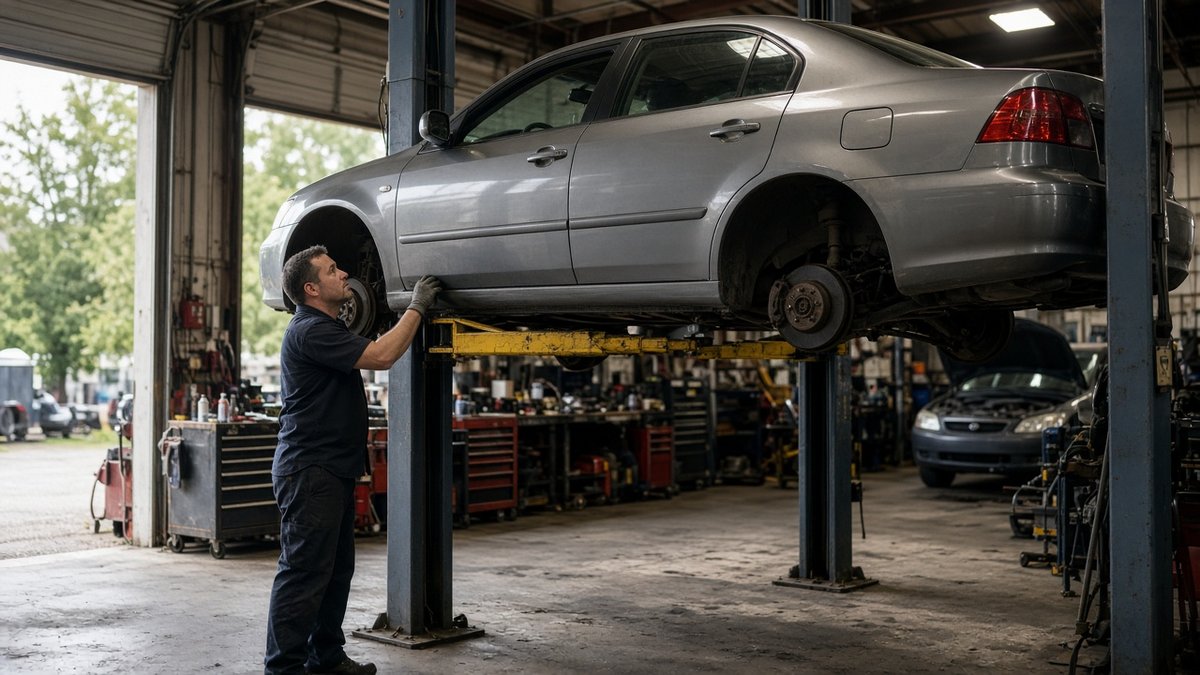
One injector on a high-mileage engine is ordinary wear. A full set, repeat injector jobs, or injectors next to a recall line tell a different story. Here is how to read it.
One O2 sensor on a high-mileage car is routine. Repeat sensor jobs or a sensor right before a catalytic converter tell a different story. How to read it on CARFAX.
A thermostat swap is usually a cheap part on a used car. A thermostat line sitting next to a head gasket or radiator job is a different story. How to read it on CARFAX.
A gear oil change at sane mileage is routine. A replaced rear end on a tow truck, or repeat noise visits, is the line to question. How to read differential entries on CARFAX.
A pump or hose line is usually wear. A rack replaced twice, or an open steering recall, is the one to dig into. Here's how to read power steering entries on CARFAX.
A muffler line is usually routine rust. Repeated front leaks or a missing converter are the ones to worry about. Here's how to read exhaust entries on CARFAX.
Timing chains usually have no service interval, so a chain replacement on CARFAX is a repair, not maintenance. Here's how to read that line and what to ask.
A CV axle swap shows on CARFAX only when the shop reports it. Here's when that line is routine wear, when it hints at a hit, and how to check the car yourself.
A turbo job shows on CARFAX only when the shop reports it. Here is what that line says about maintenance, the patterns that worry us, and how to test the car.


